

Custom website development cost in 2027: pricing range, tech stack, and best practices



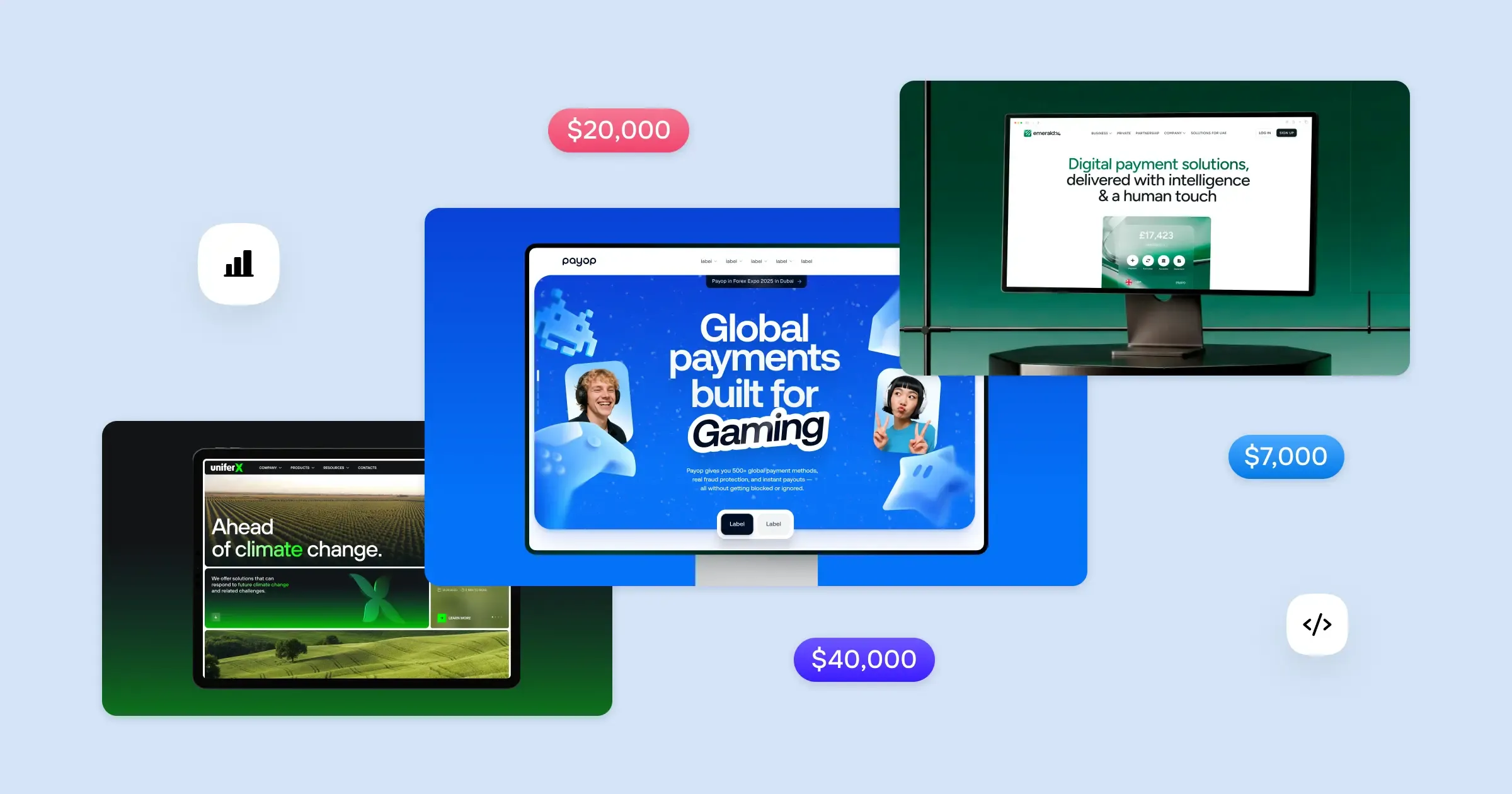

Custom website development cost | 1:44 min.
No time to read? Listen via headphones, speakers or on the go
B2B website development costs range from $6,000 to $120,000+, dictated by template volume, custom motion design, and backend architectural complexity.
Average pricing range depending on project scope and type:
- Landing Page: $6,000 – $10,000
- Product Launch Website: $10,000 – $30,000
- Corporate Website: $20,000 – $70,000
- Marketing Platform: $40,000 – $120,000+
This guide outlines how AI-driven workflows impact project economics, analyzes tech stacks, and details exactly what each financial tier covers. Every estimate is sourced directly from signed Goodface client contracts, cross-referenced with industry benchmarks from GoodFirms and Upwork.


Why do product teams underestimate the website role?
Product companies often treat their website as a formality — something that needs to exist while all the real attention goes to the product itself. That's a common bias. Your website is the first point of contact, where a potential client or user decides whether to trust you at all.
In B2B, that decision costs more than in B2C: the sales cycle is longer, the decision rests with a team rather than one person, and everyone who Googles your company before a call forms a specific impression within the first 30 seconds on your site. A weak website can kill the deal before the first meeting ever happens.
Before talking budget, it's important to reiterate — a website is a long-term investment in a brand layer that drives sales, awareness, and recognition longer than any single marketing campaign. This guide breaks down exactly what makes up that number — and how to figure out which website type your business actually needs.
Every business stage needs a different kind of website
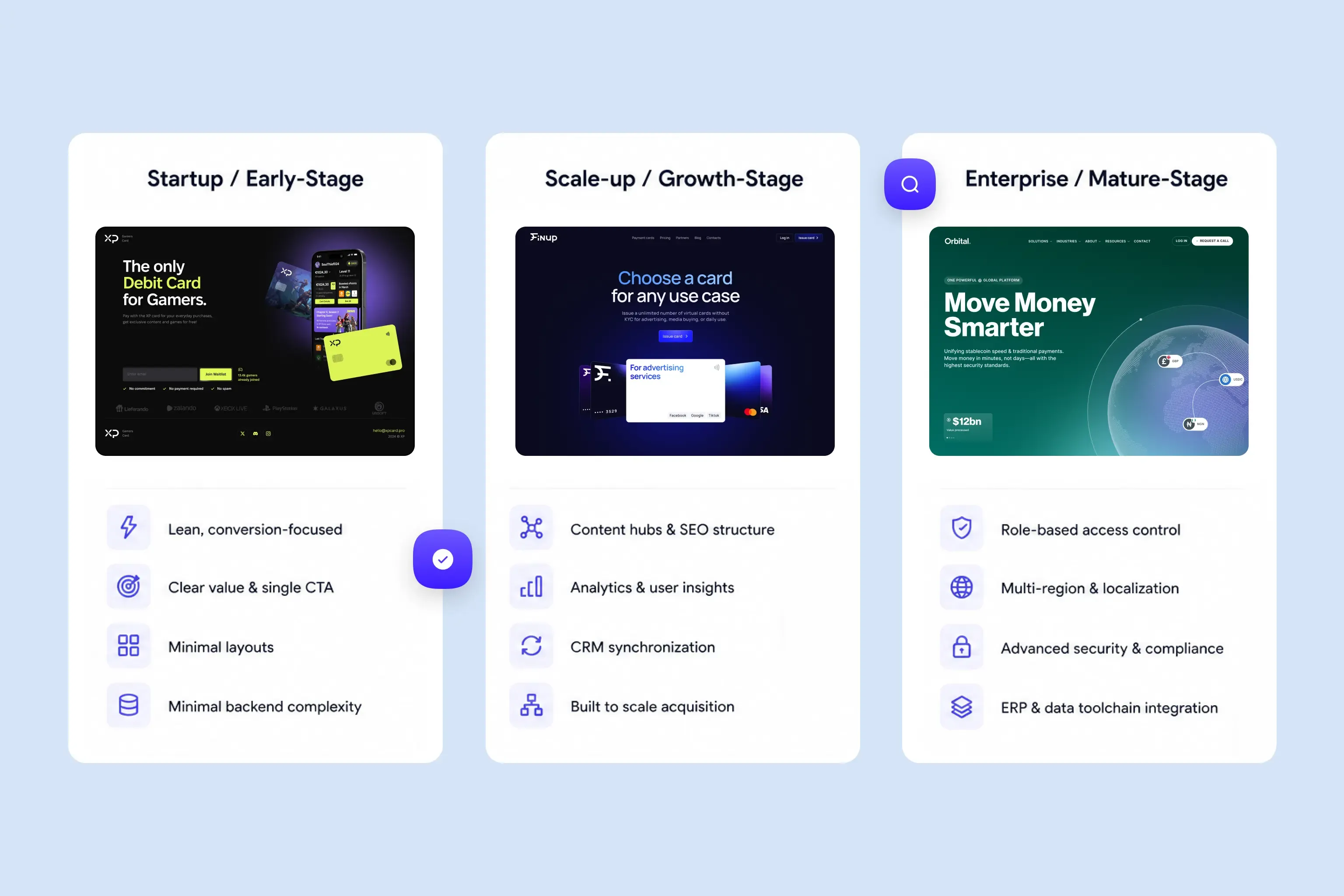
Startup / Early-Stage
Speed and clear UVP matter more than scale. We build lean, fast-to-launch sites focused on one thing: conversions. A sharp value proposition, a handful of page templates, one clear path to action. Backend complexity waits until it's needed.
Typical match: Landing Page or Product Launch Website.
Scale-up / Growth-Stage
Requires a website built to accelerate customer acquisition. Development shifts toward supporting active content hubs, advanced SEO taxonomy, deeper analytics tracking, and automated CRM sync.
Typical match: Corporate Website or Marketing Platform.
Enterprise / Mature-Stage
Requires a highly secure digital ecosystem with custom server architecture rather than a standard website. Engineering focuses on multi-language localization, strict data security standards, and direct integration with internal ERP systems.
Typical match: Enterprise-grade web platforms.
Website design & development pricing range at Goodface
| Website type | Price range | What's inside |
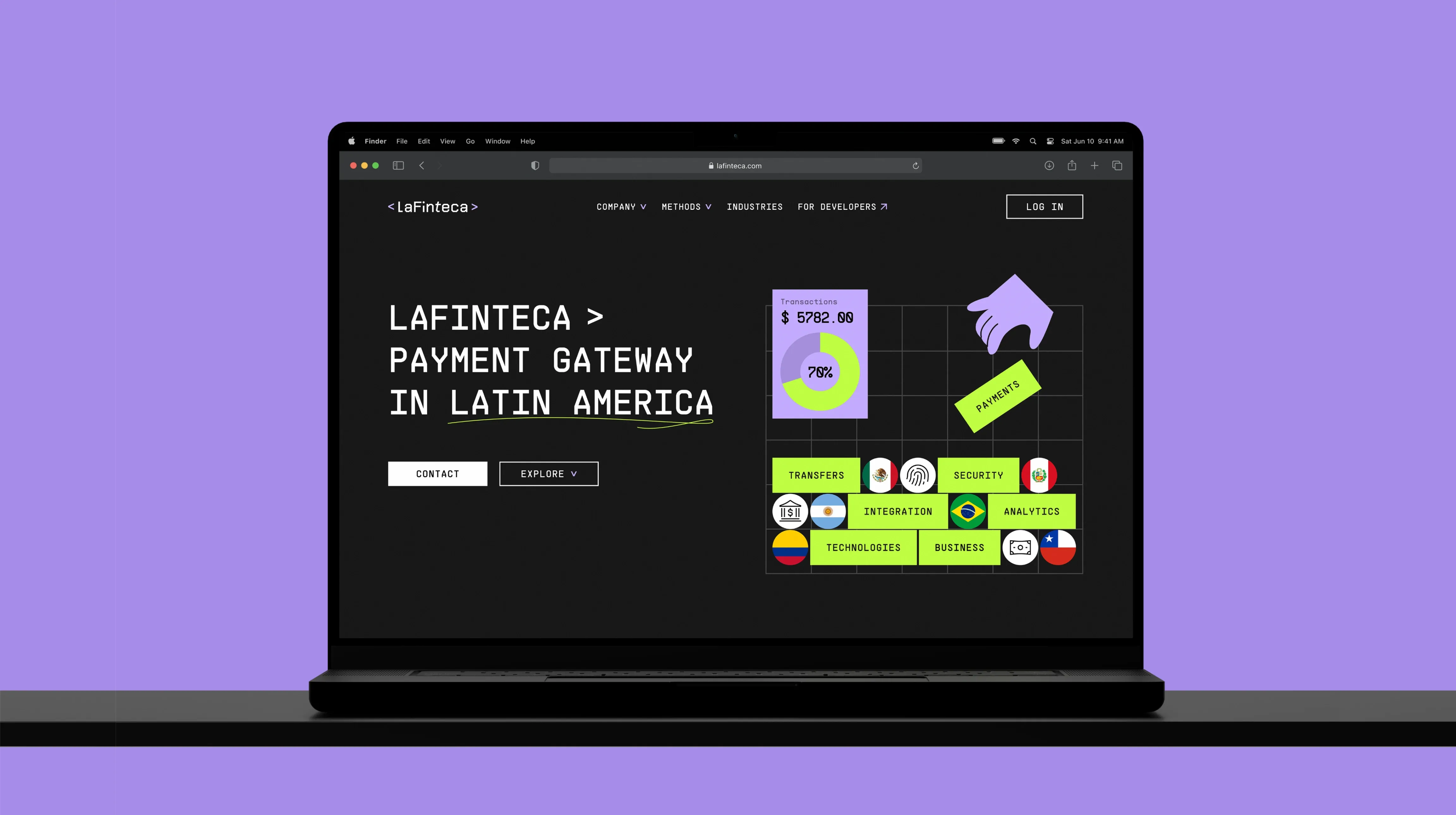
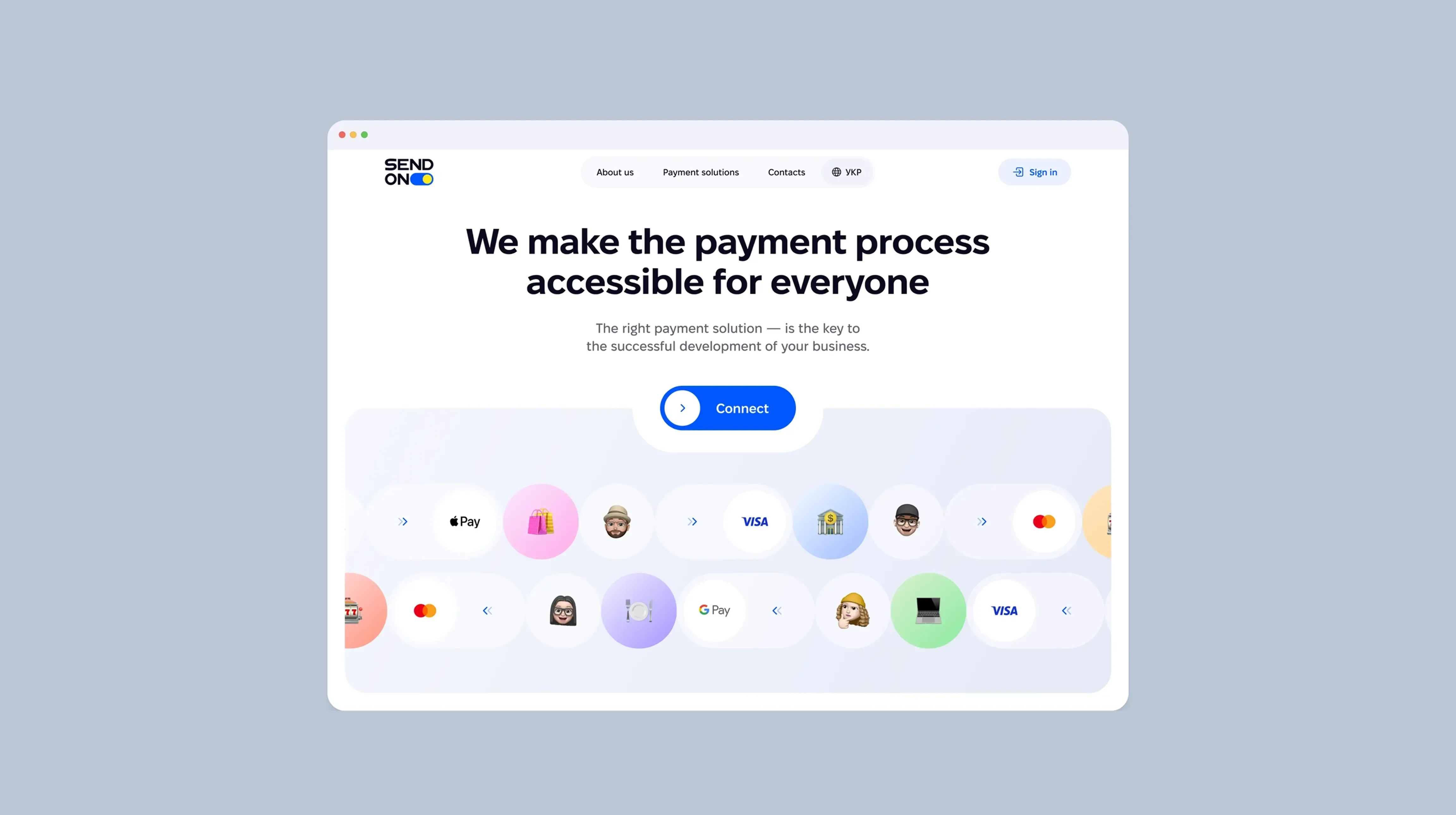
| Landing page | $6,000–$10,000 | A conversion-focused page built for a marketing campaign, feature release, or corporate event. |
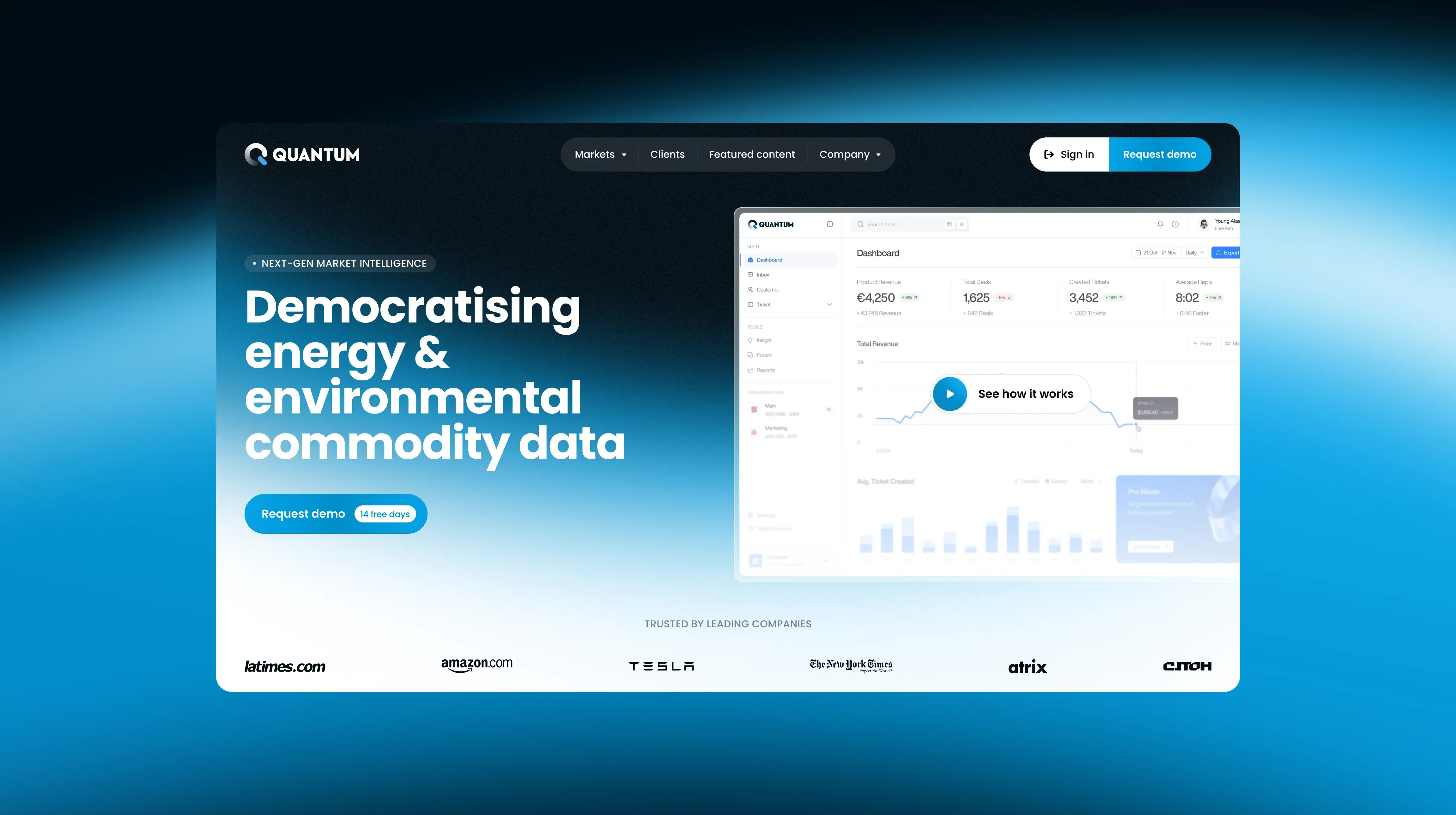
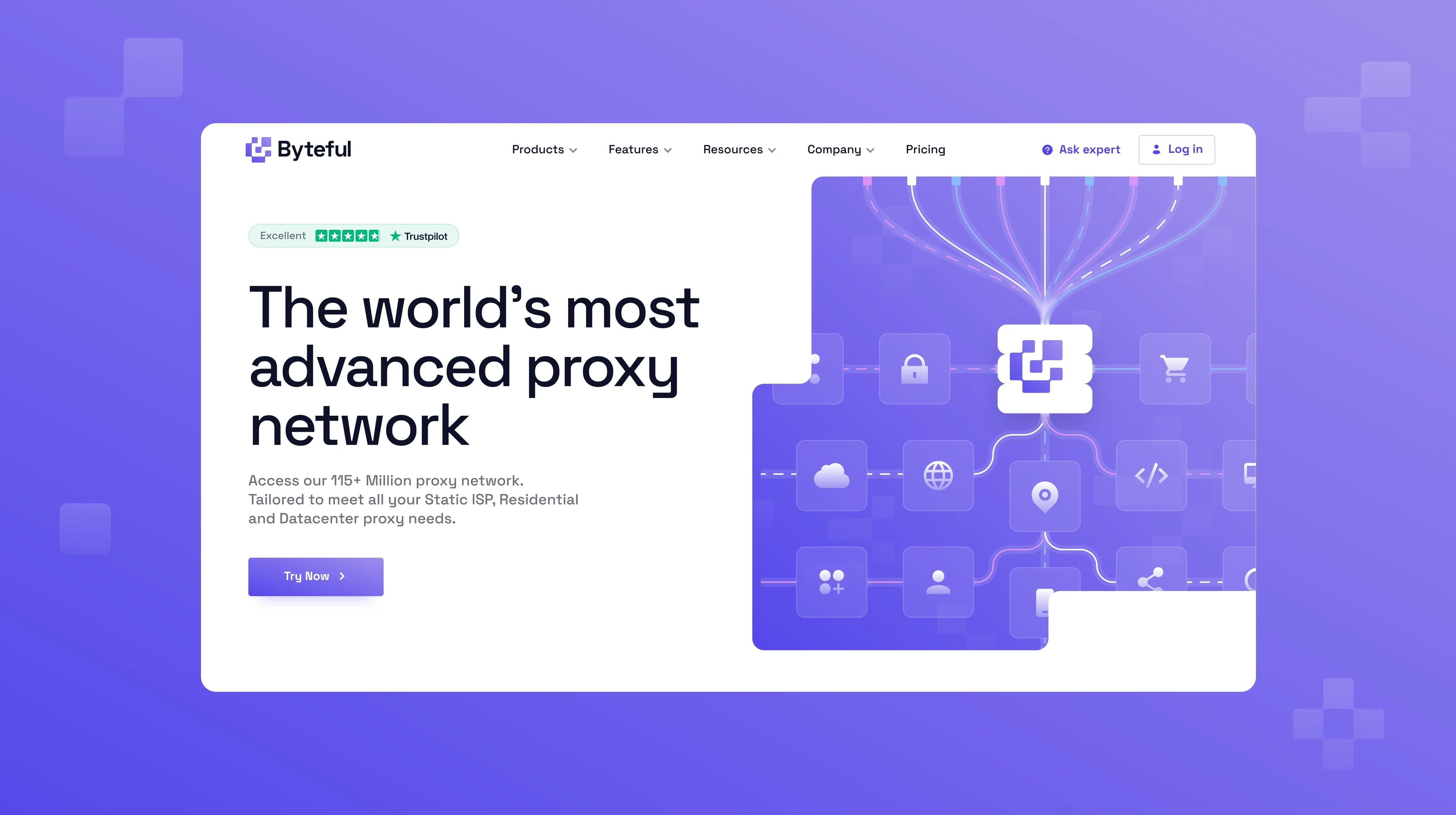
| Product launch website | $10,000–$30,000 | A compact site that introduces a new product — feature breakdowns, narrative positioning, and a waitlist or demo funnel. |
| Corporate website | $20,000–$70,000 | The digital headquarters of your organization: company profile, service structure, product directory, and blog. |
| Marketing website | $40,000–$120,000 | A full platform built around acquisition — lead magnets, partner pages, audience-segmented funnels, and CTA workflows that work together. |
Each price range covers our full process: discovery, UX/UI design, development, and QA. The exact cost depends on your page template volume, custom animations, CMS setup, and third-party API integrations.
For industry benchmarks, GoodFirms places professional business websites at $10,000–$50,000+, while Upwork estimates agency builds at up to $100,000+.
Where does your project land in this range? Send us your requirements (e.g., page count, integrations, animation ideas), and we'll get back to you shortly.
Each website type, built by Goodface
1. Landing page
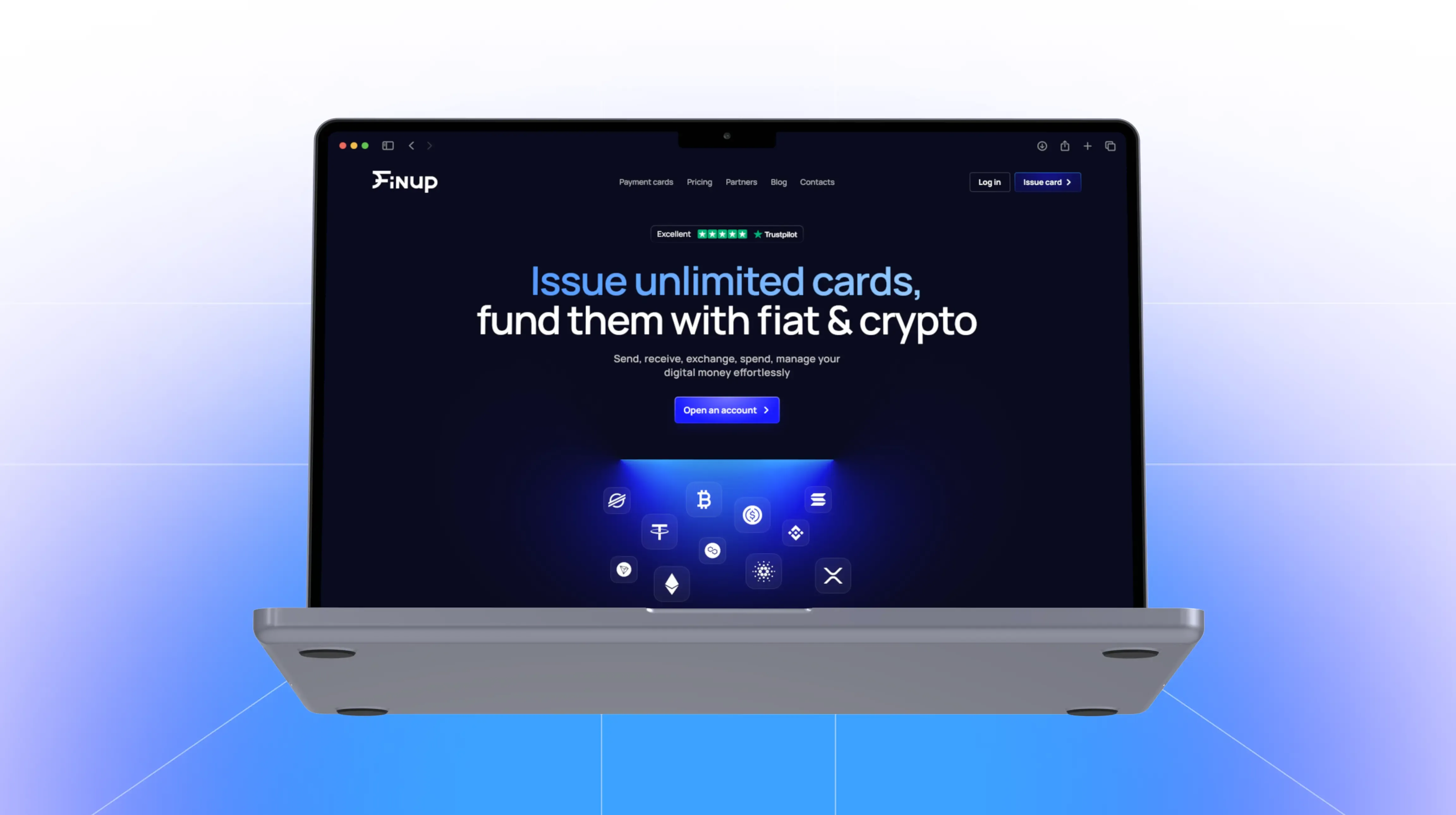
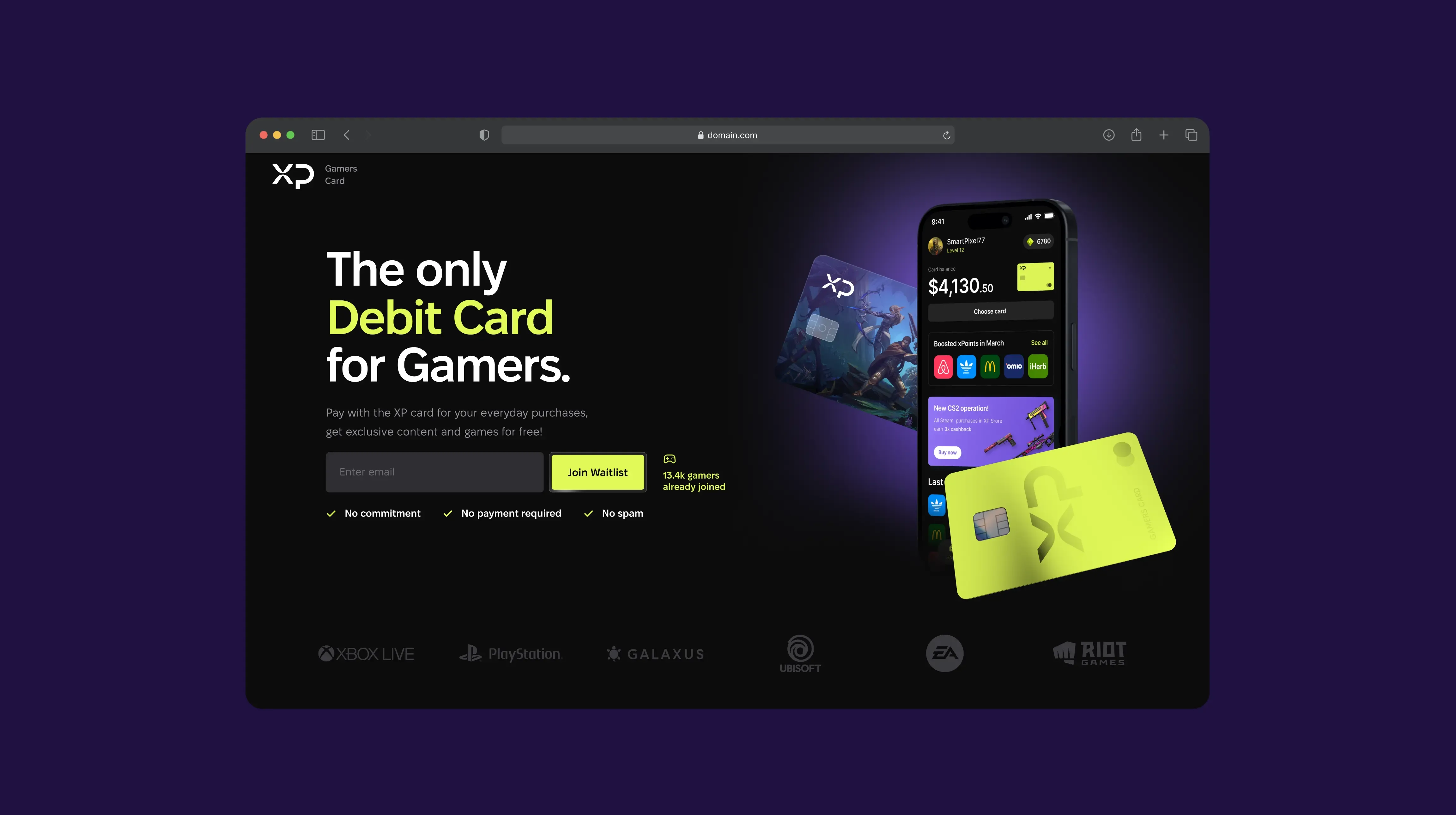
2. Product launch website
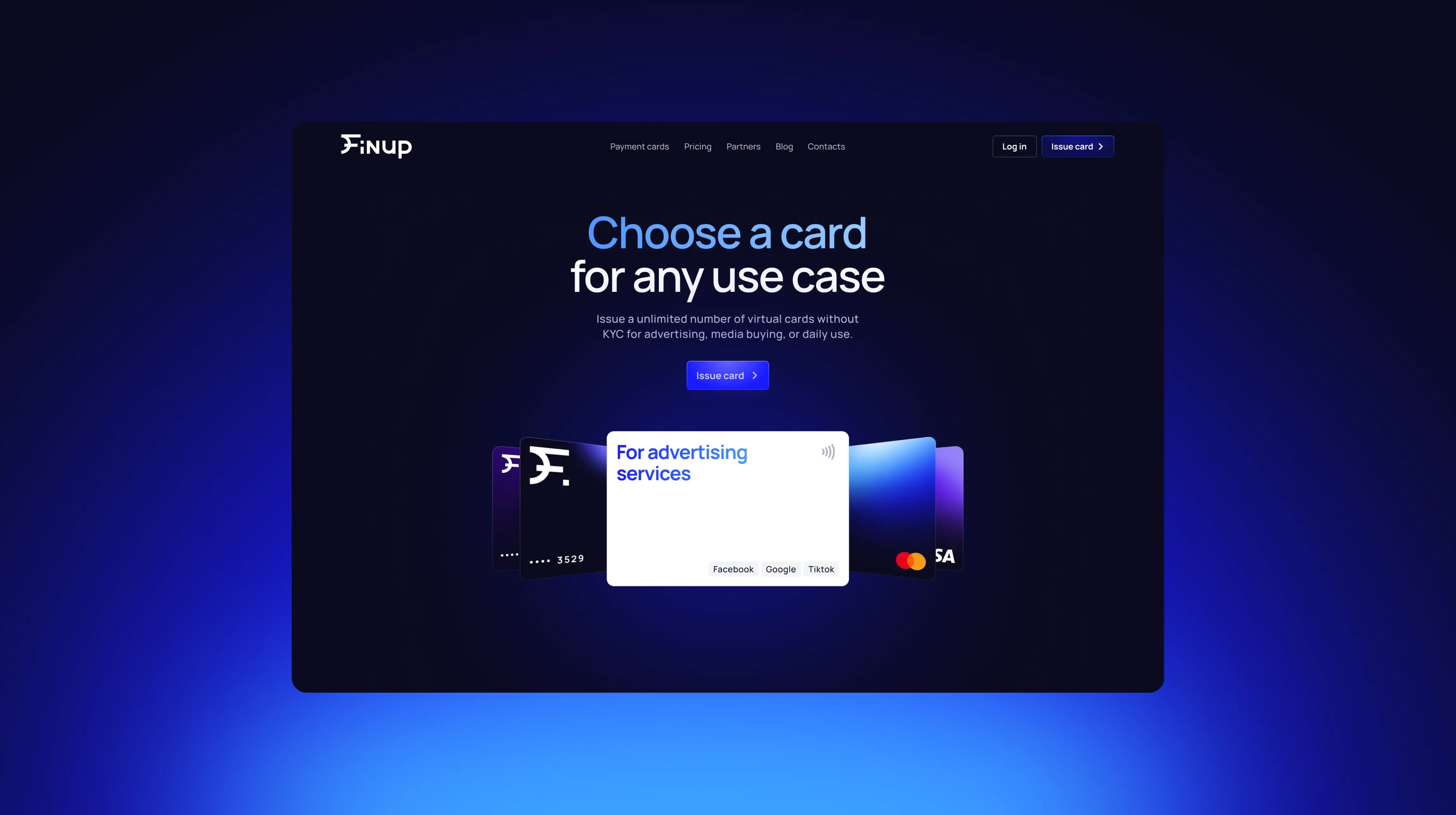
3. Corporate website
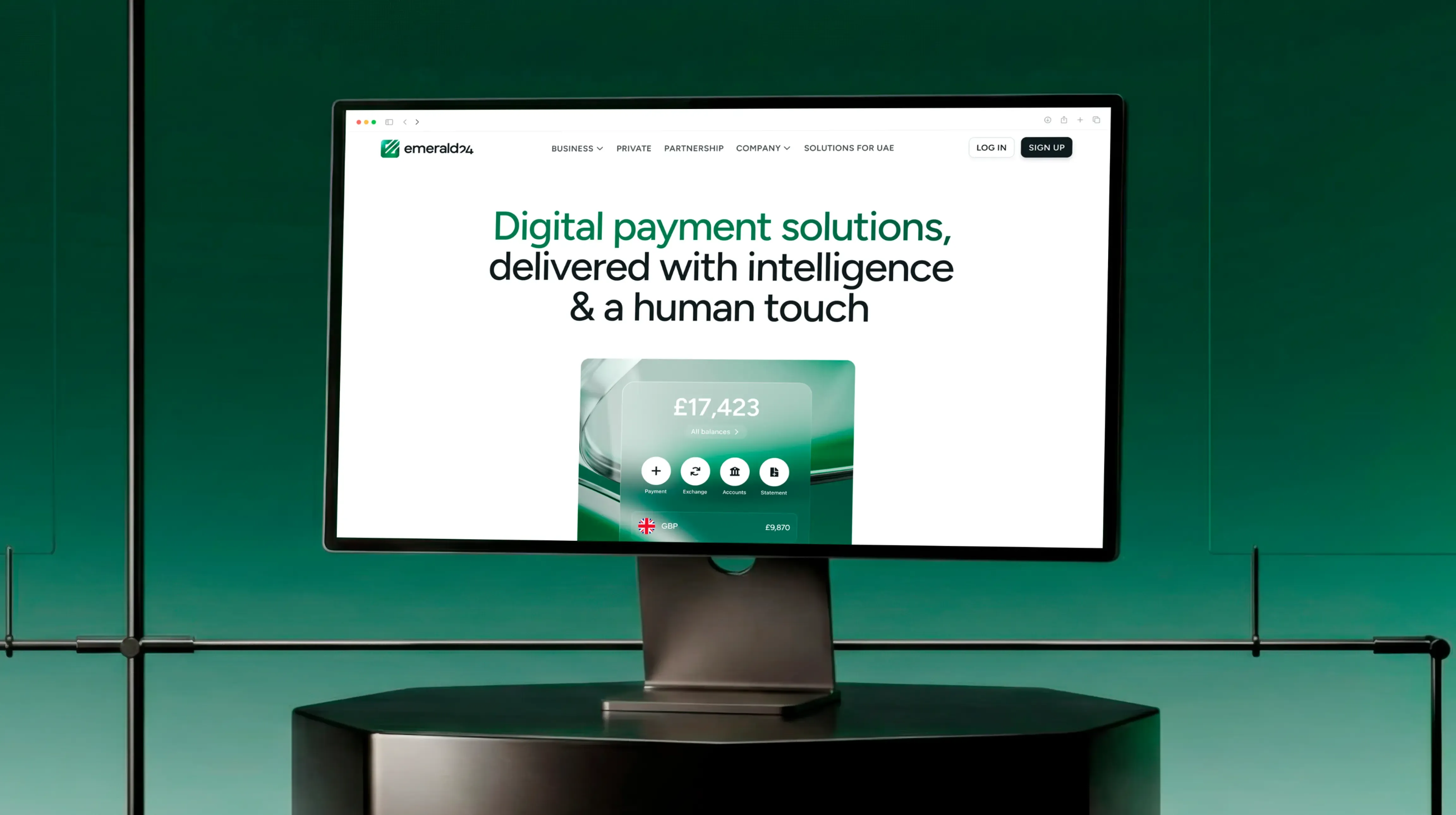
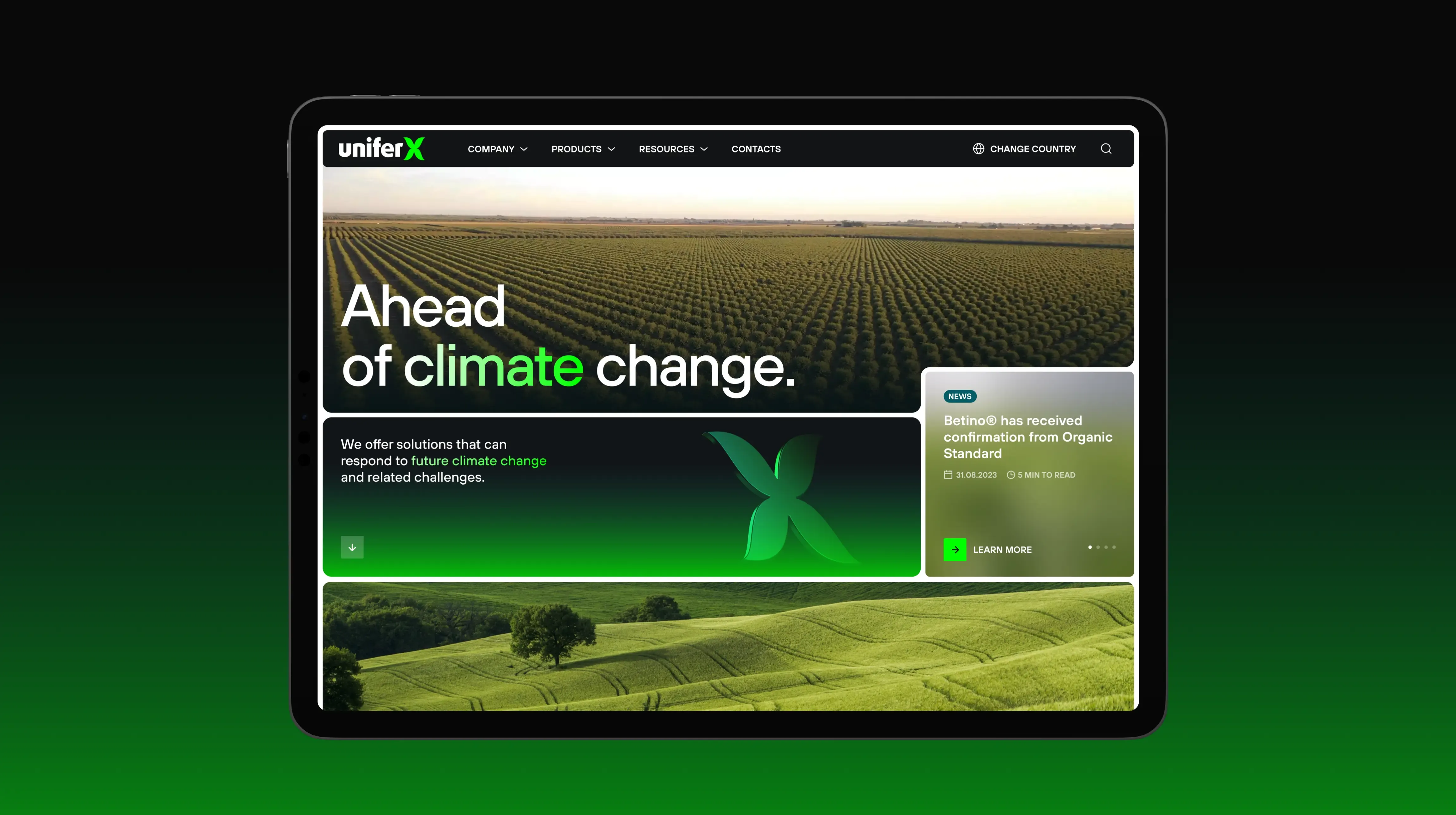
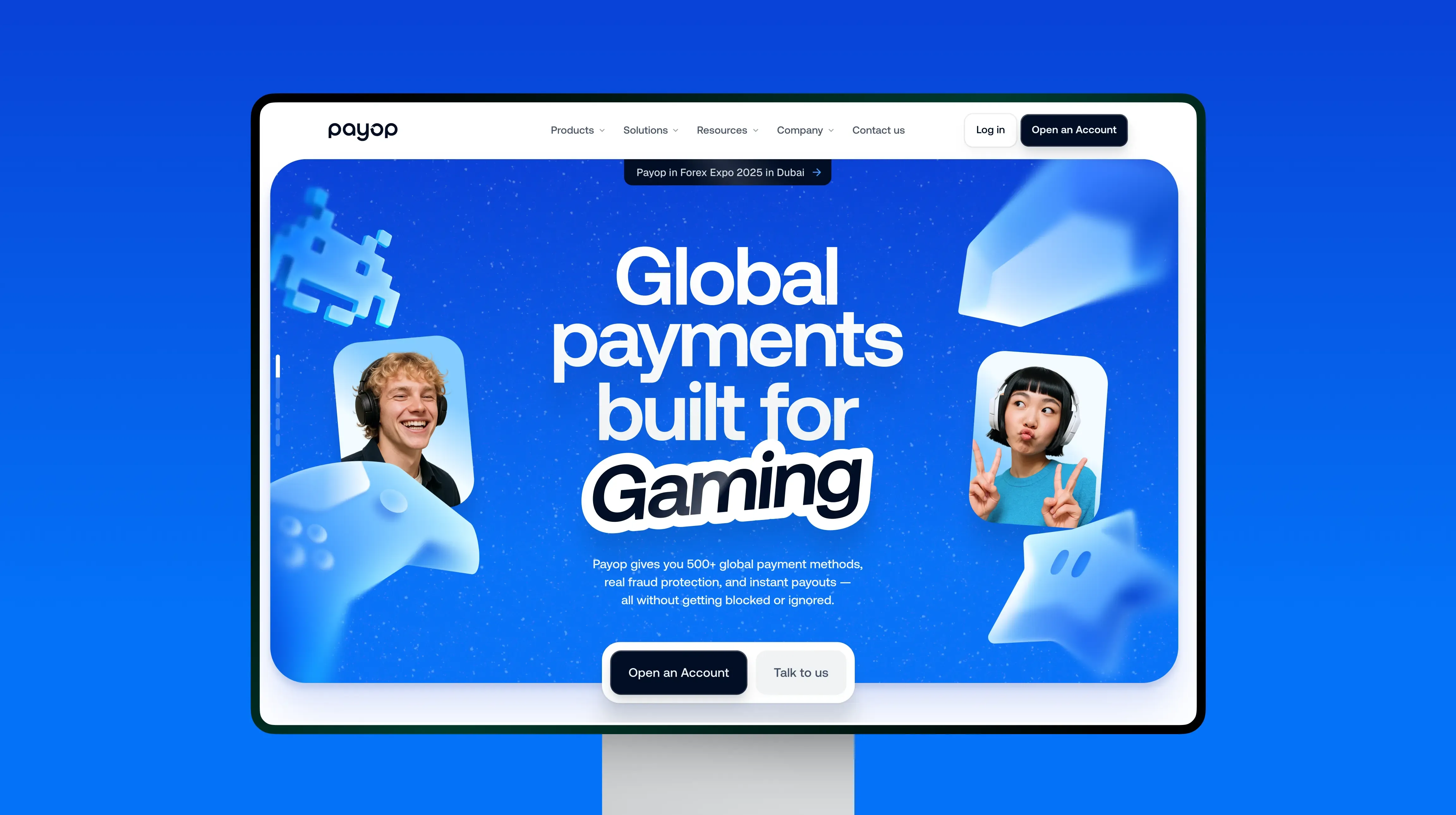
4. Marketing web platform
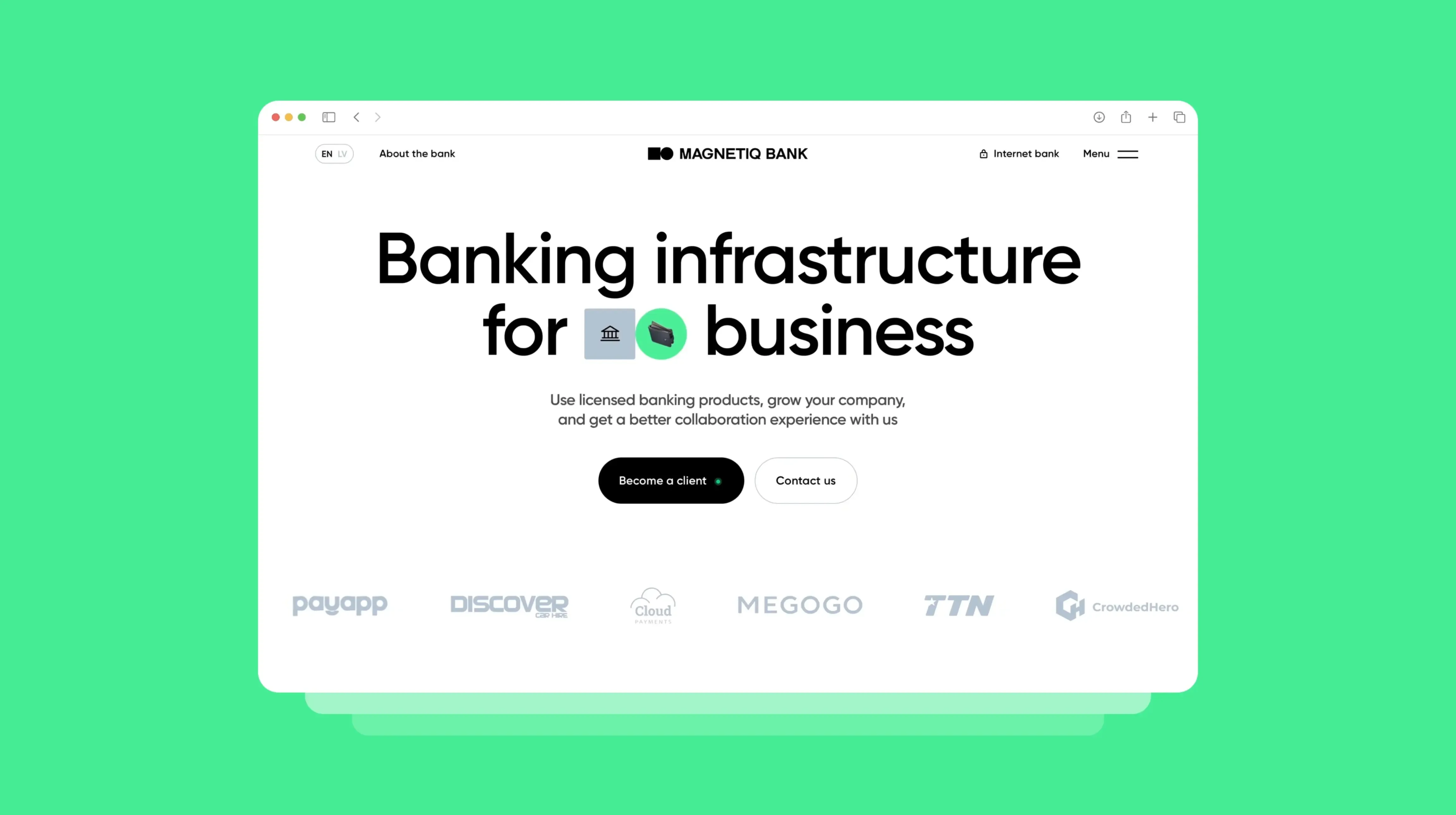
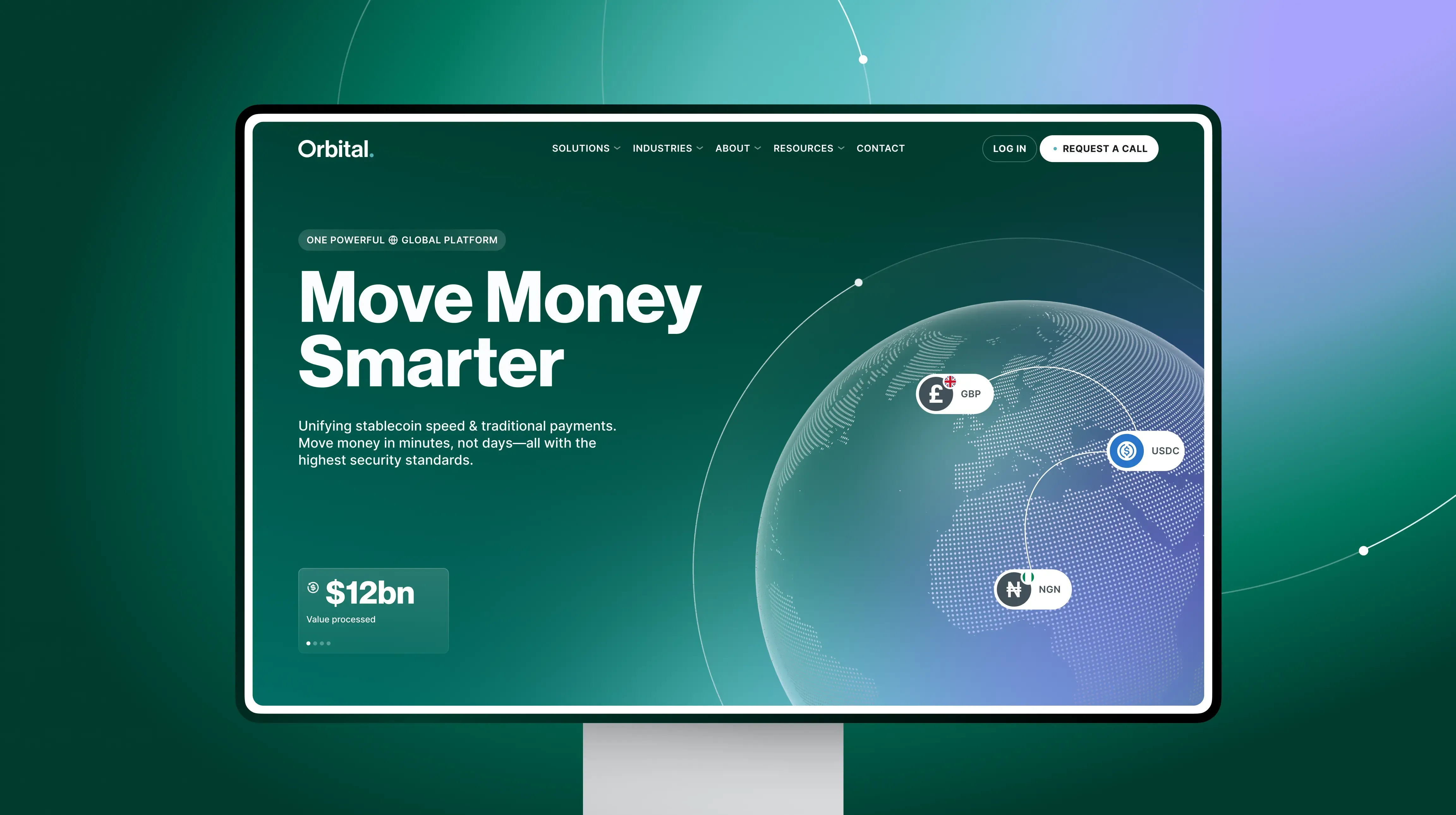
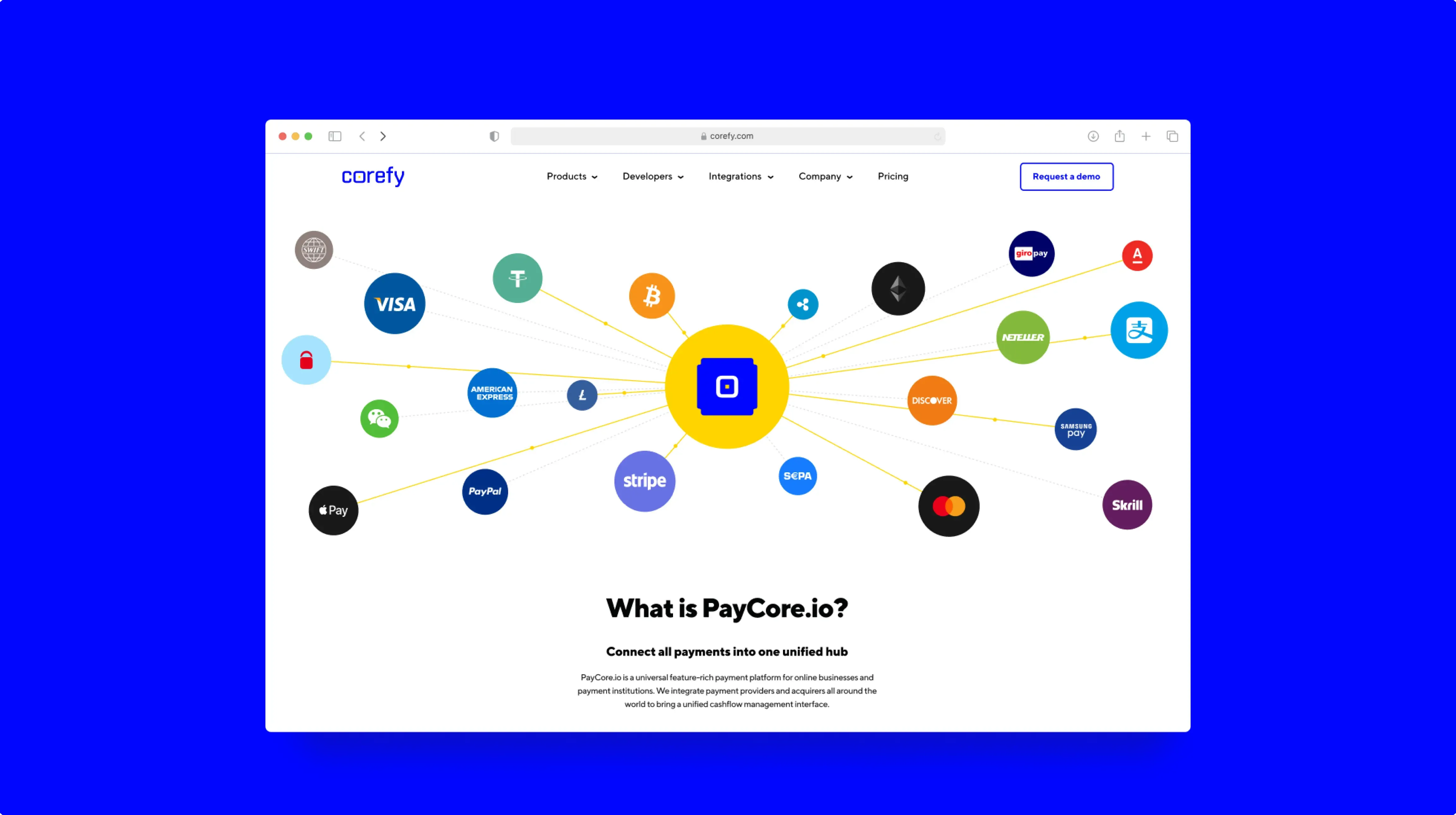
You can't talk about website-building in 2027 without mentioning vibe-coding — those festival-style websites people spin up overnight with Claude or Antigravity.
Twitter & Insta are full of them. But is it actually that simple?
Vibe coding vs. custom website development: why is it impossible
to craft a complex B2B platform overnight?
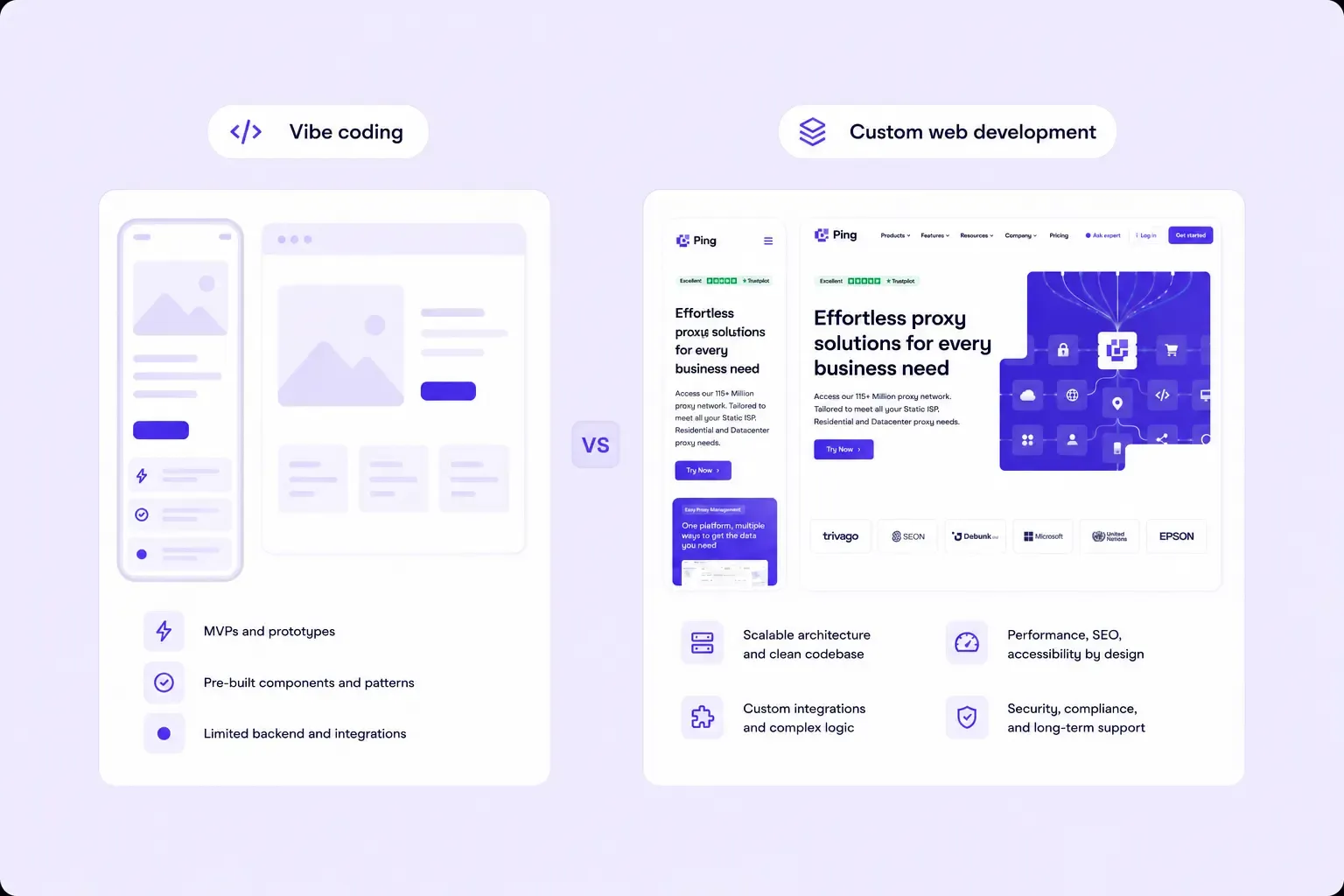
You can absolutely vibe-code a working landing page in a single day. Tools like Cursor, Lovable, or v0 are built for quick MVPs, standard layouts, and simple pages. If you literally need to validate an early-stage idea, that is a completely legitimate move.
However, the moment you move past basic layouts, autonomous AI builds hit a strict ceiling:
The "Festival Page" Illusion
Advanced tools can quickly spin up promotional pages packed with 3D elements and sharp animations. But behind the immediate "wow-effect" usually lies a messy UX, slow mobile load times, and heavy code that fails basic performance tests.
Complex backend & accountability
Custom data pipelines, user roles, and deep API integrations require human architecture. More importantly, an LLM can't sign an SLA — you need a real team contractually accountable when a CRM sync breaks at 2 a.m.
Custom motion & storytelling
AI handles standard buttons well, but brand graphics and complex scroll animations require careful human design. This intentional approach is what separates a high-converting business asset from a generic prompt template.
Scalability & tech debt
A vibe-coded site works until you need your fifteenth page to match the design and logic of your first. Without a strict design system, AI code clutter grows fast, making every future update more expensive.
Your clients and reputation deserve more than an overnight shortcut. Let's build it right — from the start.
So, if autonomous AI agents aren't the answer for a long-term strategy, what is? Choosing your tech stack is a classic balance between upfront launch speed and long-term architectural autonomy.
Here is how the three industry standards map across different business needs.
Webflow, WordPress, or custom web development: which to choose in 2027
| Criteria | Webflow | WordPress | Custom (React, Vue, Node.js, PHP stack) |
| Best for | Marketing sites requiring high-fidelity visuals and rapid marketing iteration. | Content-heavy platforms, corporate blogs, and multi-author knowledge hubs. | High-scale platforms with bespoke business logic, dense integrations, and strict performance metrics. |
| Typical budget size | Low-Mid | Middle | High |
| Time to launch | 4–8 weeks | 6–10 weeks | 3–6 months |
| Design freedom | High visual development within layout engine boundaries. | Dependent on the chosen builder framework or custom theme engineering. | Absolute. Complete control over layouts, WebGL, and complex canvas interactions. |
| Backend flexibility | Bound to Webflow logic and native API integrations. | Broad extensibility via managed plugins and custom PHP modules. | Full engineering control over server architecture, data pipelines, and infrastructure. |
| Content management | Native CMS, highly optimized for marketing teams. | The industry-standard editorial dashboard for high-volume content. | Headless or custom-tailored CMS solutions engineered for specific internal workflows. |
| Maintenance load | Minimal. Managed SaaS hosting eliminates server configuration worries. | Regular. Ongoing plugin audits, security patches, and database maintenance required. | Dedicated. Full control over infrastructure, demanding planned DevOps monitoring. |
| Scalability ceiling | Medium. Limited by platform record thresholds and compliance boundaries. | Medium-High. Scalable through advanced server caching and clean code practices. | Uncapped. Built to handle enterprise traffic volumes and elastic horizontal scaling. |
| Typical Goodface projects | High-converting landing pages, interactive product launch sites. | Enterprise corporate websites, structured tech blogs, resource centers. | Scalable B2B marketing platforms, custom web products, connected digital ecosystems. |
Unsure which stack fits your roadmap? Let’s talk to discuss your project idea before writing any code.
AI in the web development process: where AI earns its place in our process
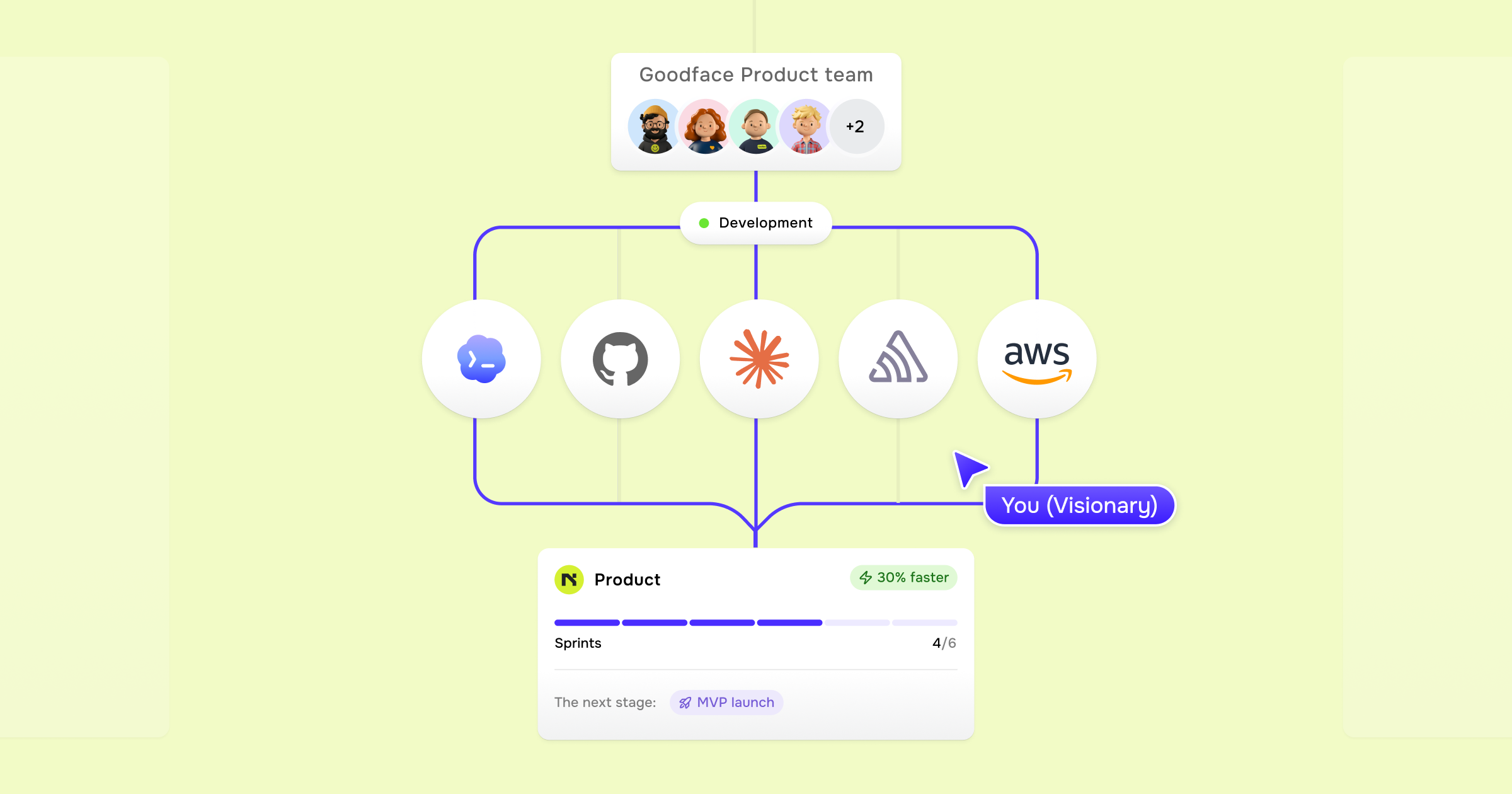
Note: we're not against AI involvement — we’re against AI irresponsibility
We use AI to speed up the tedious parts of web development. Our senior team keeps full ownership of strategy and code. You get machine speed with human accountability, and quality control on every output.
Our approach to AI centers on two areas:
- Absorbing routine production work: We offload repetitive tasks to AI — boilerplate code, content migrations, basic layout markup, and standard QA tests. That clears execution bottlenecks and frees our devs and designers to focus on your brand style and system logic.
- Compressing discovery and research: We skip basic Google searches and run deep competitive analysis, synthesize large datasets, and map initial wireframes with AI. Our strategy team spots market gaps and edge cases faster.
Bespoke website development phase breakdown: discovery, design, development, QA
What your budget actually covers
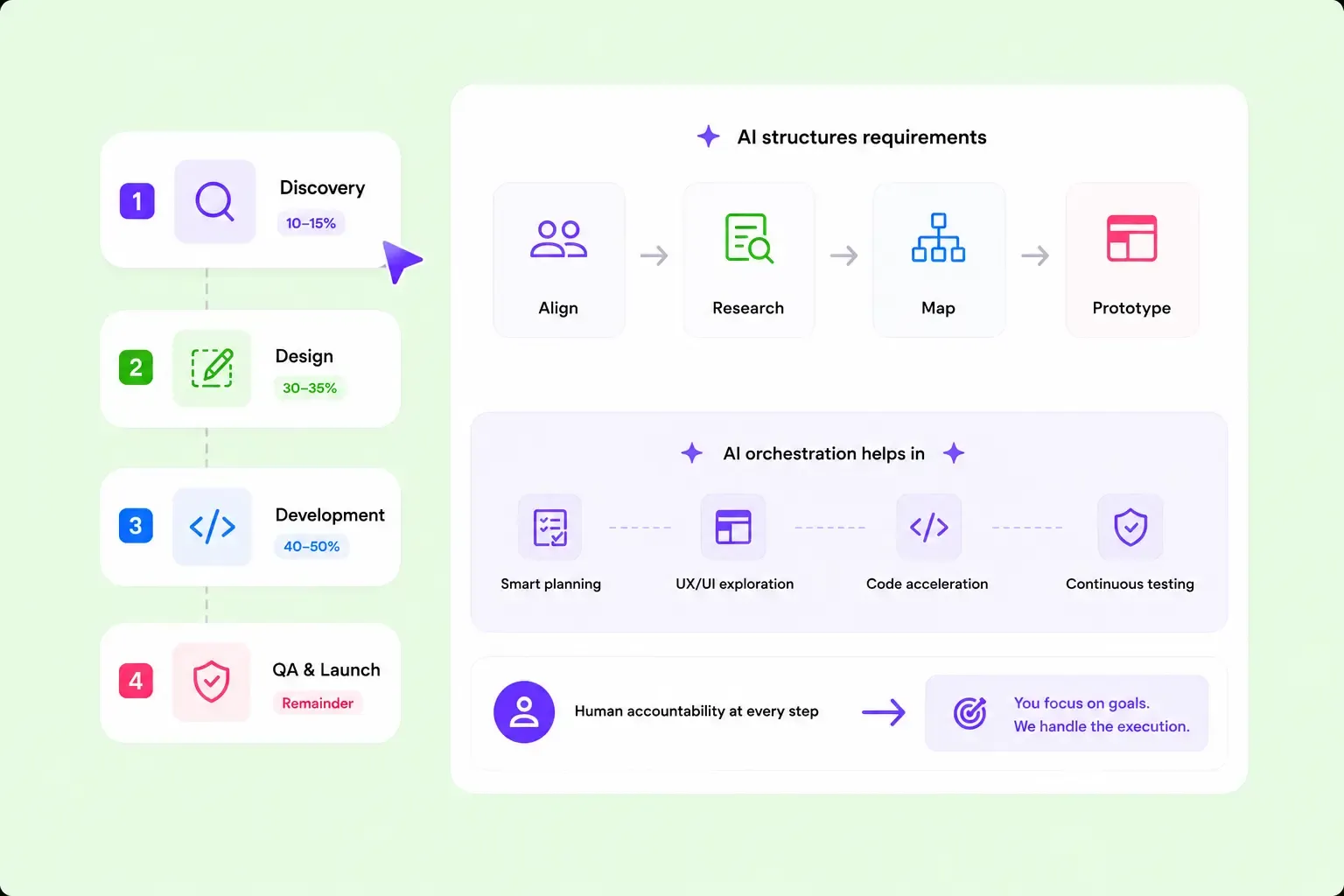
When you hear "$30K for a website," it deserves a better explanation than bright headlines.. You're investing in a four-phase process where each phase de-risks the next — and each carries a distinct share of the budget. Here's the budget share and deliverables inside each phase, sprint by sprint:
1. Discovery phase (10–15%)
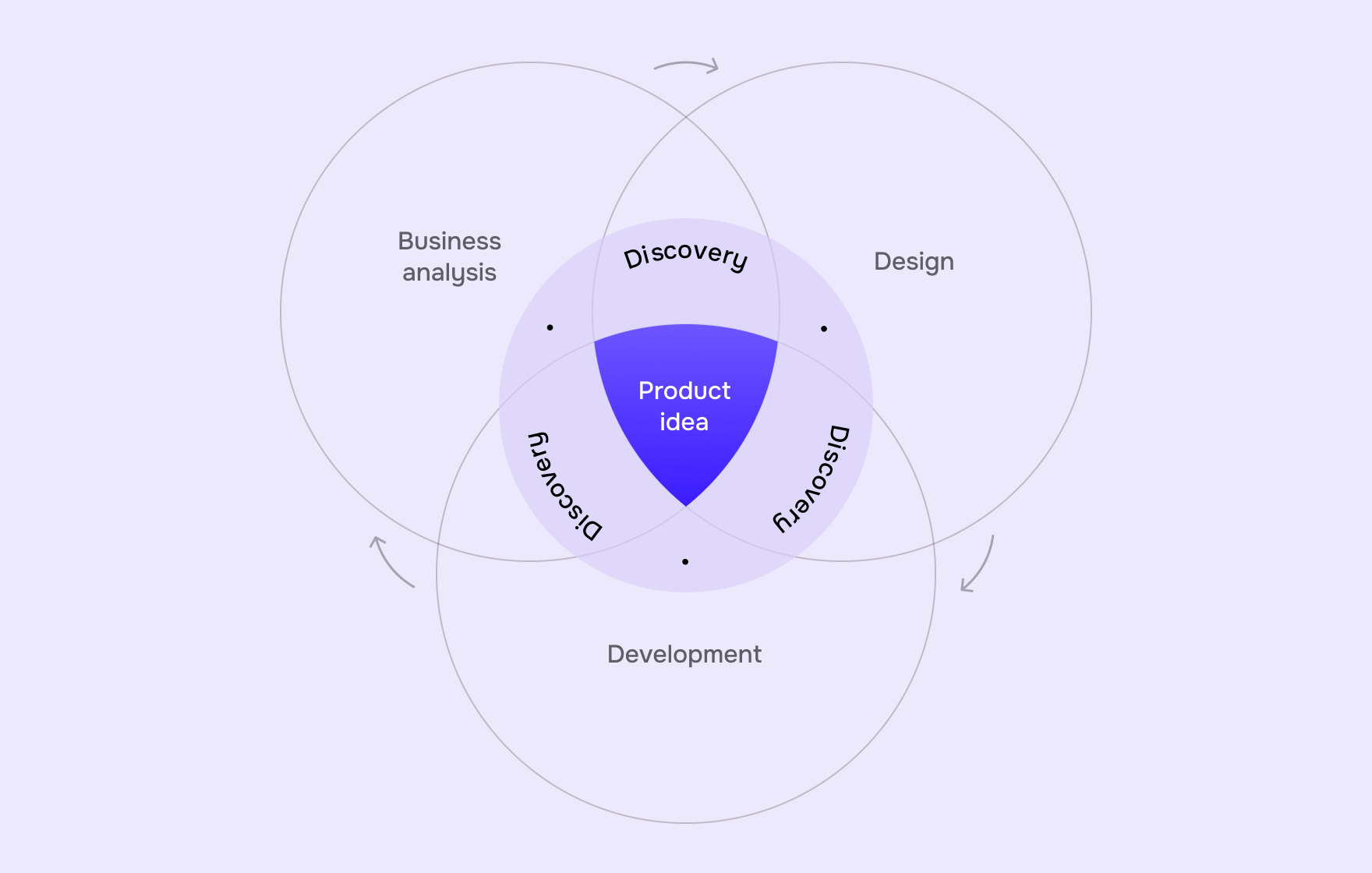
Discovery prevents the most expensive mistake in web development — building the wrong thing. AI-powered requirement structuring turns your raw inputs into a clear, actionable scope, while automated research validates assumptions and edge cases before they ever reach design.
- Stakeholder interviews — We align business goals, positioning, and success metrics across everyone who owns the website internally
- Research — Our UX/UI designers combine research methods to analyze competitors, market context, and user behavior — turning findings into strategic decisions, not just passive decks.
- User flows & Wireframes — We map user journeys and define content hierarchy in wireframes before a single pixel of visual design. This is where we test ideas early and pivot fast.
- Prototyping & Design concepts — We build clickable prototypes to test logic, develop distinct visual directions, and align on the one that matches your brand
2. Design phase (30–35%)
Design is where AI-assisted UX/UI exploration earns its keep. We generate and iterate visual ideas in hours, while human designers make every final call on art direction, visual hierarchy, and craft.
- Complete UI design — Tailored desktop experiences for every unique page template: purpose-driven interfaces built for measurable business outcomes.
- Mobile-first responsive design — We design mobile experiences from scratch, not auto-shrunk desktop layouts.
UI kit & Design systems — A modular component library (typography, components, tokens) ensuring future pages are consistent and significantly cheaper to scale.
Usability testing & Handoff — Testing designs with real people and handing over structured, dev-ready Figma files with clean specs for engineering.
3. Development phase (40–50%)
Engineering runs on code generation and augmentation. AI accelerates routine coding, while senior developers own the architecture, integrations, and review every line of output.
- Technical specifications — The contract between design and code: a single source of truth for every feature and interaction.
- Frontend & backend engineering — Building fast, secure, and scalable server logic, databases, and micro-interactions that serve user intent, not just the demo.
- CMS implementation — Integrating an editor workflow built around your team, so marketing can update and scale content without a developer in the loop.
- SEO & DevOps setup — Technical SEO (Core Web Vitals, structured data) built directly into the codebase, paired with stable CI/CD hosting architecture.
4. QA, launch & support (remainder of the budget)
Automated functional and regression testing identify bugs continuously throughout development, rather than waiting for a massive review at the end.
- Cross-browser & performance validation — verified behavior across devices and screen sizes.
- Safe deployment — Zero-downtime launch workflows.
You don't manage the infrastructure or the process — you set direction and define success for a website built around your business goals, delivered on time and without the agency overhead.
Discovery pays for itself: skipping it is how websites end up built twice. Build your website with Goodface — once and for all.
Final thoughts
Website budgets reflect the work behind the product.
Content, templates, integrations, infrastructure, user roles, animations, and future expansion all influence the final scope. Two websites with the same number of pages can require completely different engineering effort.
AI has accelerated software development, allowing teams to automate repetitive production work and shorten delivery cycles. The responsibility for architecture, code quality, testing, and release management still belongs to experienced engineers.
Before discussing numbers, define what the product needs to do. The estimate becomes much more accurate once the scope is clear.
FAQ
How much does it cost to develop a website in 2027?
Total investment ranges from $6,000 for a single professional landing page to $120,000+ for an enterprise marketing platform with complex backend architecture, multiple integrations, and RBAC.
How long does website development take?
From 2–4 weeks for a landing page to 3–6 months for a custom marketing platform. A corporate website on Webflow or WordPress typically takes 6–10 weeks, including discovery. The timeline scales with the same factors as the budget: template volume, custom motion, and integrations.
Who owns the website code and design assets after launch?
After project completion, full intellectual property rights will be transferred to you. We deliver clean, unencrypted Figma design files and transfer complete codebase access via GitHub or your preferred hosting environment. Your team retains absolute ownership and autonomy over the digital product.
How much does a website redesign cost?
A full redesign costs 60–80% of a new build: $15,000–$50,000 for a corporate website. You save on discovery — the business logic already exists — but design, development, and content migration remain full-scope. A visual refresh without structural changes costs less; a replatforming (e.g., WordPress to Webflow) costs about the same as a new build.
What is the cost of website development in the UK?
UK agency budgets scale from £10,000 to £95,000+ for equivalent project scopes. While the process and production phases remain identical, total costs reflect regional agency hourly rates.
How much does it cost to build a WordPress website?
WordPress builds run $8,000–$40,000, depending on plugin complexity, custom theme work, and content volume. A basic brochure site on a pre-built theme sits at the low end; a corporate site with custom modules, deep SEO structuring, and API integrations pushes toward $40,000. WordPress lowers upfront cost through its plugin ecosystem, but ongoing maintenance — updates, security patches, plugin conflicts — adds to the real total over time.
Read more

 Book a call
Заповніть форму або
бриф із запитаннями



 LinkedIn
 Instagram
Welcome to Goodface privacy notice.
Goodface respects your privacy and is committed to protecting your personal data. This privacy notice will inform you as to how we look after your personal data when you visit our website (regardless of where you visit it from) and other sites we own and operate. And tell you about your privacy rights and how the law protects you.
We may change the privacy policy from time to time to reflect changes to the products and services that we provide and how we process your personal data.
We will not share your information with any third party outside of our organization, other than as necessary to fulfil your request if any."
INFORMATION WE COLLECTWhen you visit our website, our servers may automatically log the standard data provided by your web browser. This data is considered “non-identifying information”, as it does not personally identify you on its own. It may include:
- Your computer’s Internet Protocol (IP) address;
- Your browser type and version;
- The pages you visit;
- The time and date of your visi;
- The time spent on each page;
We may ask for personal information, such as your name and email address. This data is considered “identifying information”, as it can personally identify you. We only request personal information relevant to providing you with a service, and only use it to help provide or improve this service.
We collect information by fair and lawful means, with your knowledge and consent. We also let you know why we’re collecting it and how it will be used. You are free to refuse our request for this information, with the understanding that we may be unable to provide you with some of your desired services without it.
We will only process personal data and communicate with you if:
1. You have given us consent to the processing of your personal data and communicating for one or more specific purposes i.e. requesting products or services from us, downloading material or information from our website or submitting a contact us form.
2. Performance of a contract
3. Where we have a legitimate interest for contacting you in relation to our products and services
DATA PROCESSING AND STORAGEWe only retain personal information for as long as necessary to provide a service, or to improve our services in future. While we retain this data, we will protect it within commercially acceptable means to prevent loss and theft, as well as unauthorised access, disclosure, copying, use or modification. That said, we advise that no method of electronic transmission or storage is 100% secure, and cannot guarantee absolute data security.
Rights and choices of individuals:
- See what data we have about you, if any;
- Change/correct any data we have about you;
- Have us delete any data we have about you;
- See what security measures we apply to your data;
- Express any concern you have about our use of your data;
You may opt out of any future contacts from us at any time. You can do the following at any time by contacting us via the email address given on our website: goodface.agency
Лишились питання або хочете обговорити проєкт?


