



Ihor Khivrych
Product Designer
About
Ihor is a product designer at Goodface with a background in journalism. Over the past six years, he has worked across graphic, web, and product design, helping companies turn complex digital products into experiences people understand from the first interaction.
Expertise
- Product
- UX/UI
- Design
- SaaS
- Research
- AI
Ihor Khivrych
Product Designer
He believes design succeeds when it helps people navigate technology without having to think about it. Working closely with product teams and engineers, Ihor turns product requirements into interfaces that feel clear, intuitive, and easy to use. He is particularly drawn to projects where design has a lasting impact, especially digital products that improve how people work, learn, or access essential services.
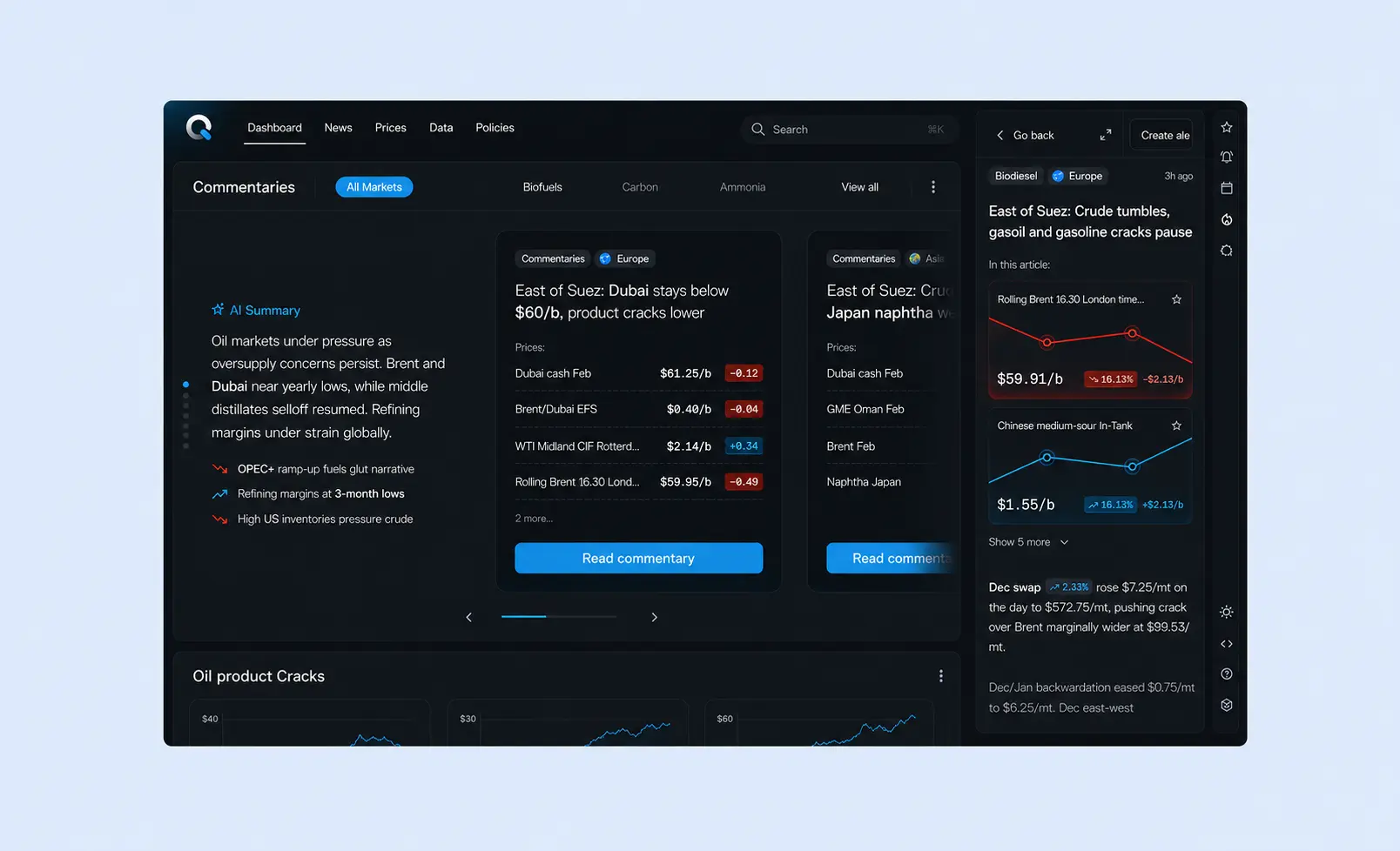
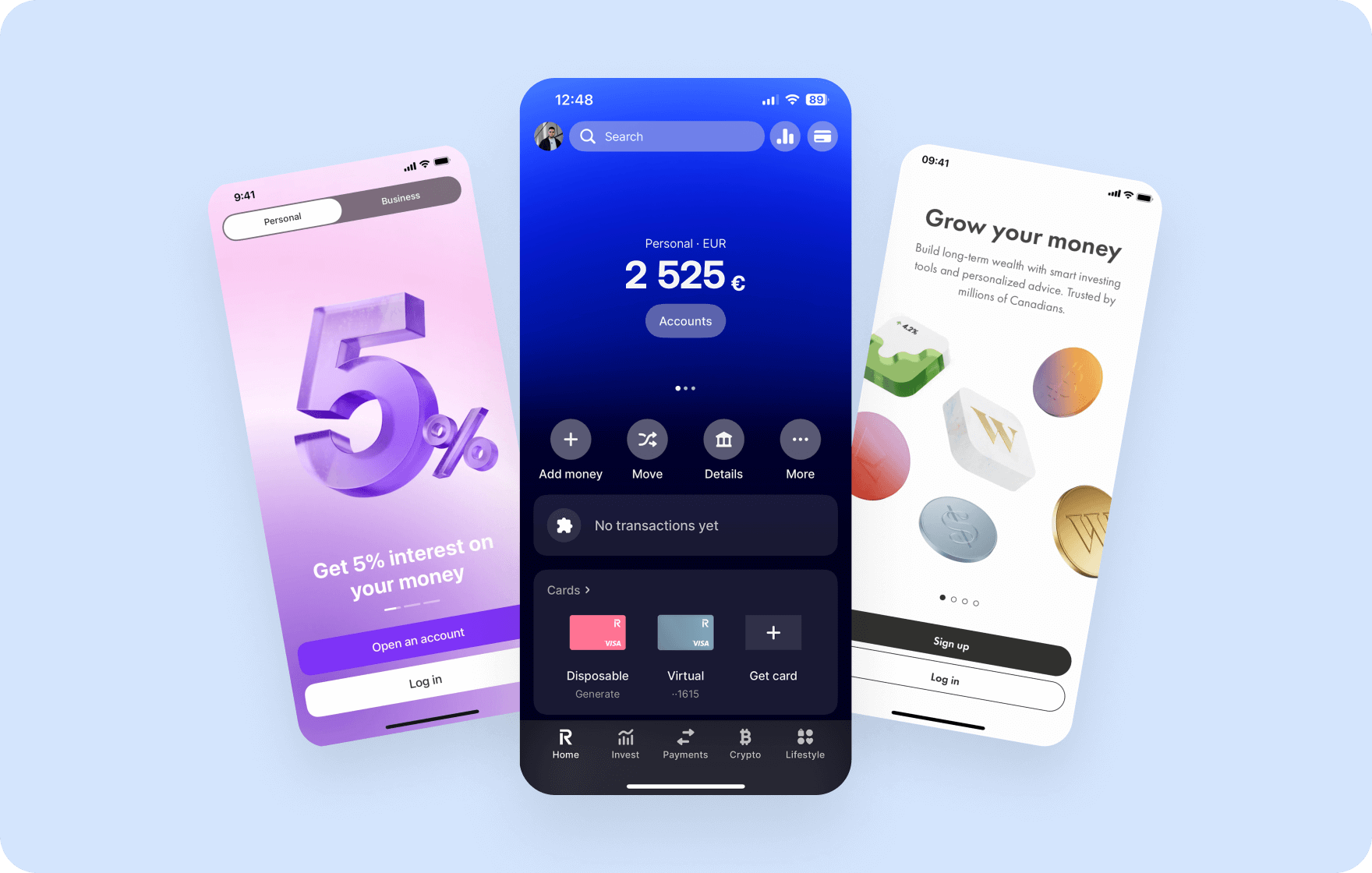
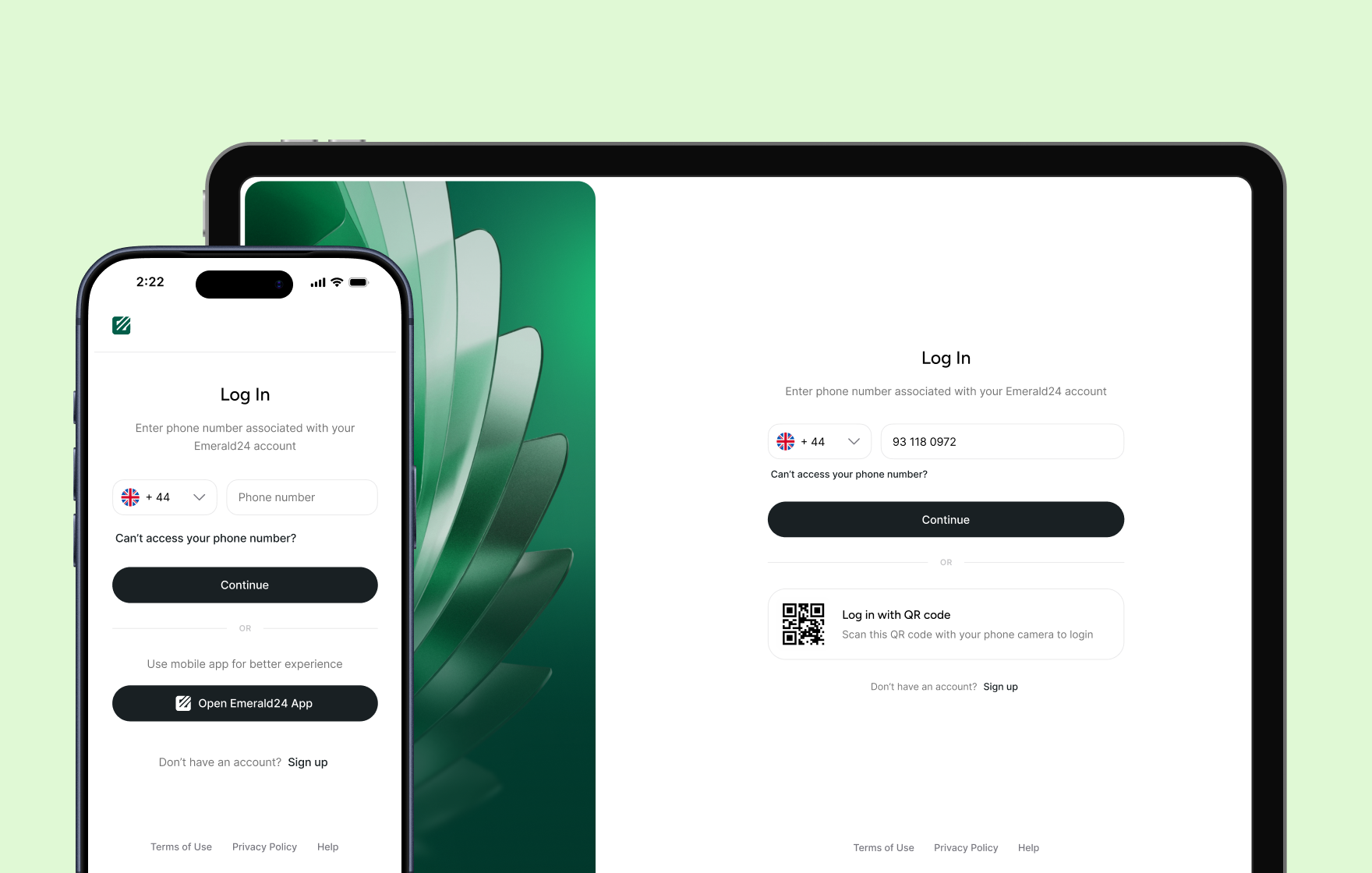
Ihor designs websites and SaaS products, leading UX and UI decisions from discovery through delivery. He collaborates with product managers and engineers to simplify complex workflows, shape scalable interfaces, and keep every design aligned with both business objectives and user expectations.
Outside of work, he enjoys reading literature, playing guitar, investing, and exploring new technologies and ideas.
Q&A with Ihor
People shouldn't stop to figure out where to click next. If they do, the interface is asking them to solve a problem that belongs to the designer.
When I review a product, I usually look for those moments first. They aren't always obvious. Sometimes it's one extra field in a form. Sometimes it's three buttons that look equally important.
I don't open Figma immediately. The first step is understanding how people complete their work today. Product documentation helps, but conversations with founders, support teams, and users usually reveal much more than a backlog ever does.
Because screens don't solve problems. People move through products. A checkout, onboarding, or dashboard only works when every step connects naturally to the next one. If one screen breaks that flow, users notice it immediately.
Products with complicated logic. Web platforms, internal business tools, SaaS — anything that asks users to make decisions throughout the day. Those projects leave more room to simplify, reorganize, and remove unnecessary steps.
Usually nothing dramatic. People stop asking where something is. Support receives fewer questions. Developers stop opening design tickets because the UI already answers most of them — those signals matter more than whether the UI looks finished.
Got questions or want to discuss a project?


This website uses cookies
