About
Dmytro is a co-owner and CBDO at Goodface, a product design and engineering agency that helps growth-stage tech companies build websites, digital products, SaaS platforms, and custom software.
Expertise

22 April 2026

16 June 2026

27 January 2026

21 May 2026


24 July 2026
Co-owner & CBDO
With 20 years in tech, he works as a peer to the founders and executives he partners with. He helps shape how their products get built and what the right approach looks like for each one. His role is less about managing teams and more about owning the thinking: framing the problem, designing the solution, and making sure it ships well.
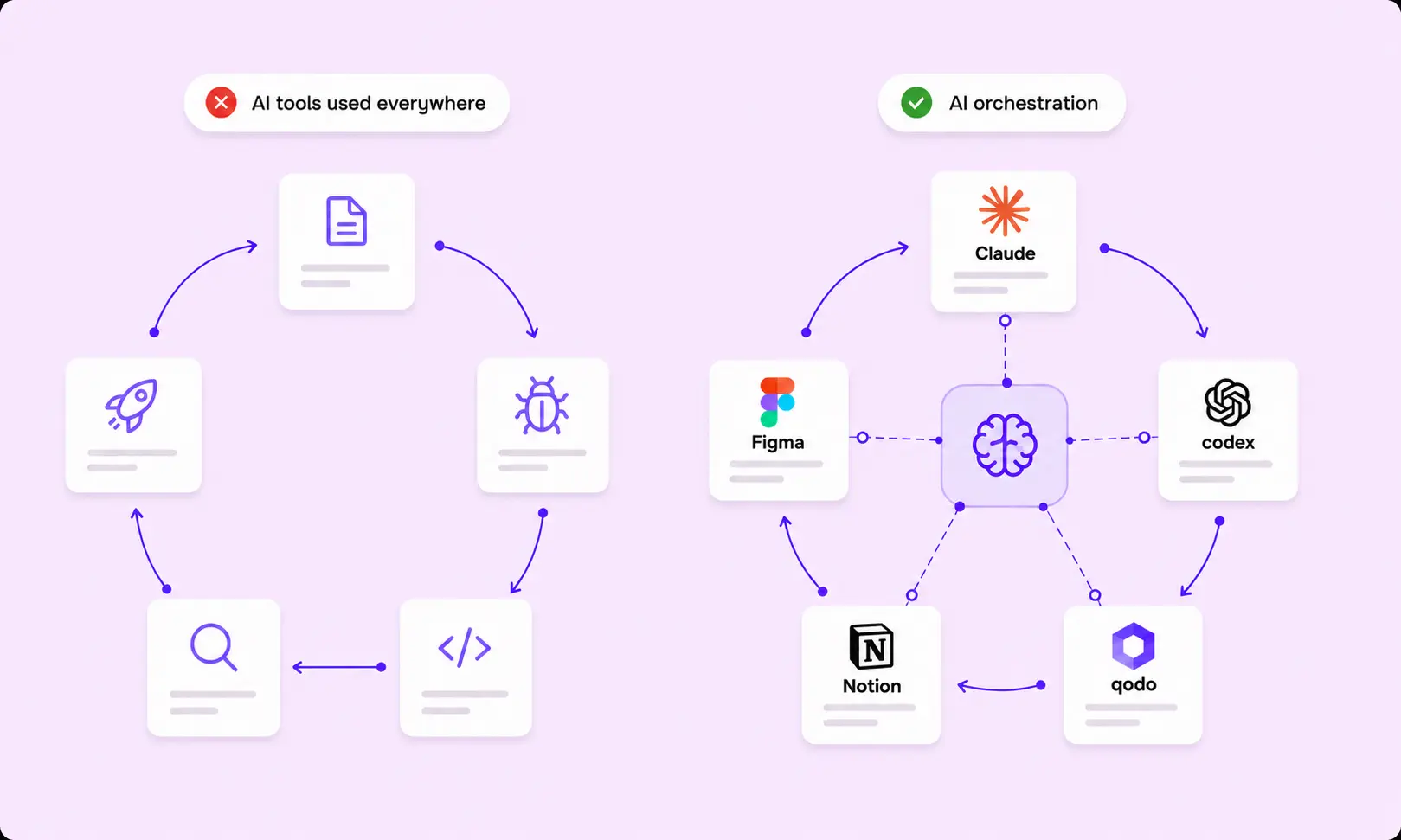
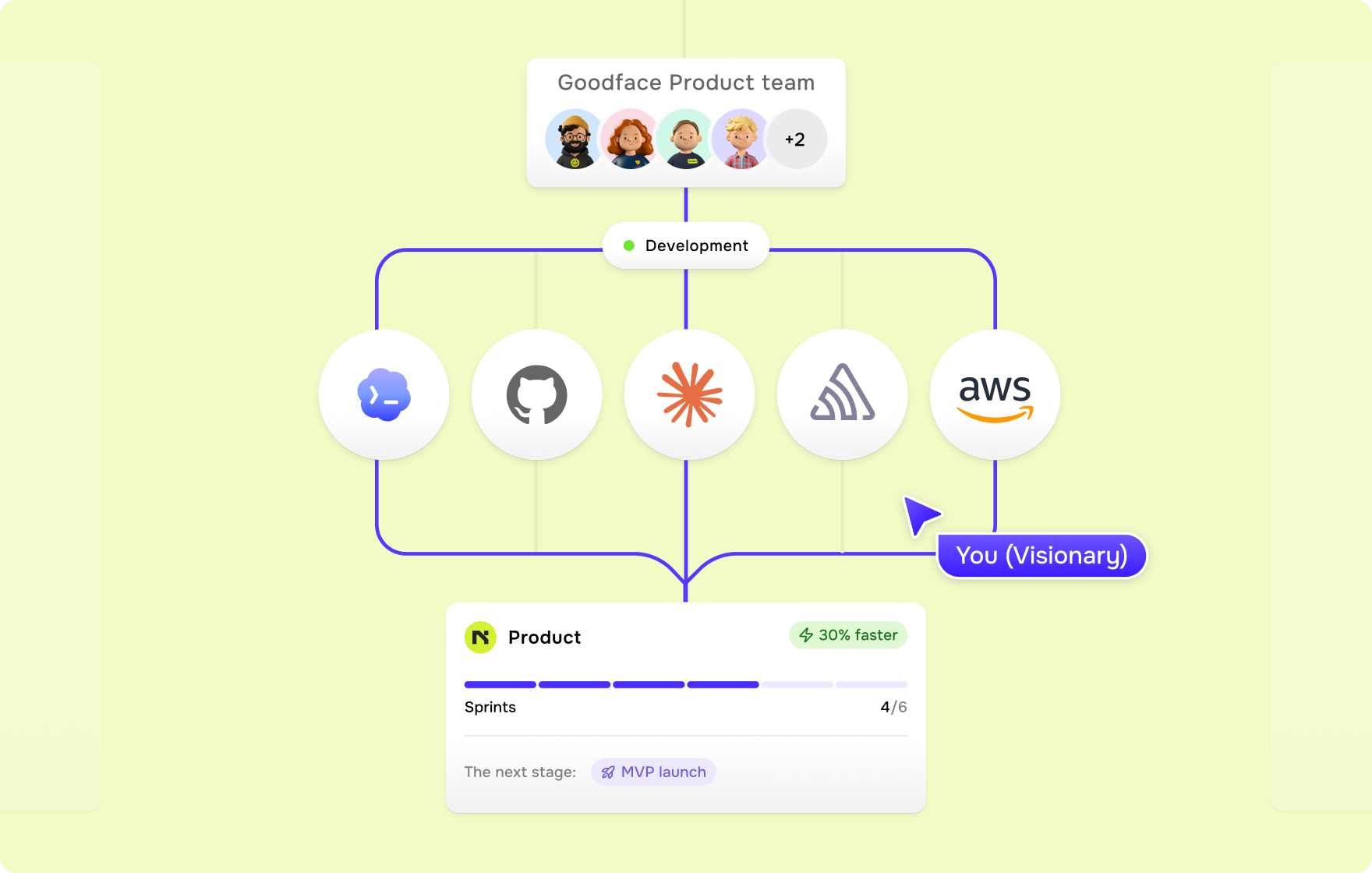
Dima shapes how Goodface delivers products end-to-end: from product strategy and technical decisions to how teams and tools run day-to-day. He defines how senior specialists and AI work together across design, development, testing, and strategy, building a delivery model where each plays to its strengths. He also builds the process around it, giving clients real control, visibility, and analytics into how their product comes together. His goal is straightforward: faster delivery, sharper decisions, and a process clients can actually trust.
Software teams have better tools than ever, but many companies still deliver products through the same processes they used years ago. We wanted to rethink that. Instead of adding more meetings, more managers, or more handoffs, we redesigned the delivery process itself. The result is a model where senior specialists focus on decisions, while AI handles repetitive execution.
We don't start with AI. We start with the work that needs to be done. Some tasks benefit from automation because they follow clear patterns. Others require product judgment, technical trade-offs, or experience. Every project combines those two in different ways, so we decide where AI adds value and where people should remain fully in control.
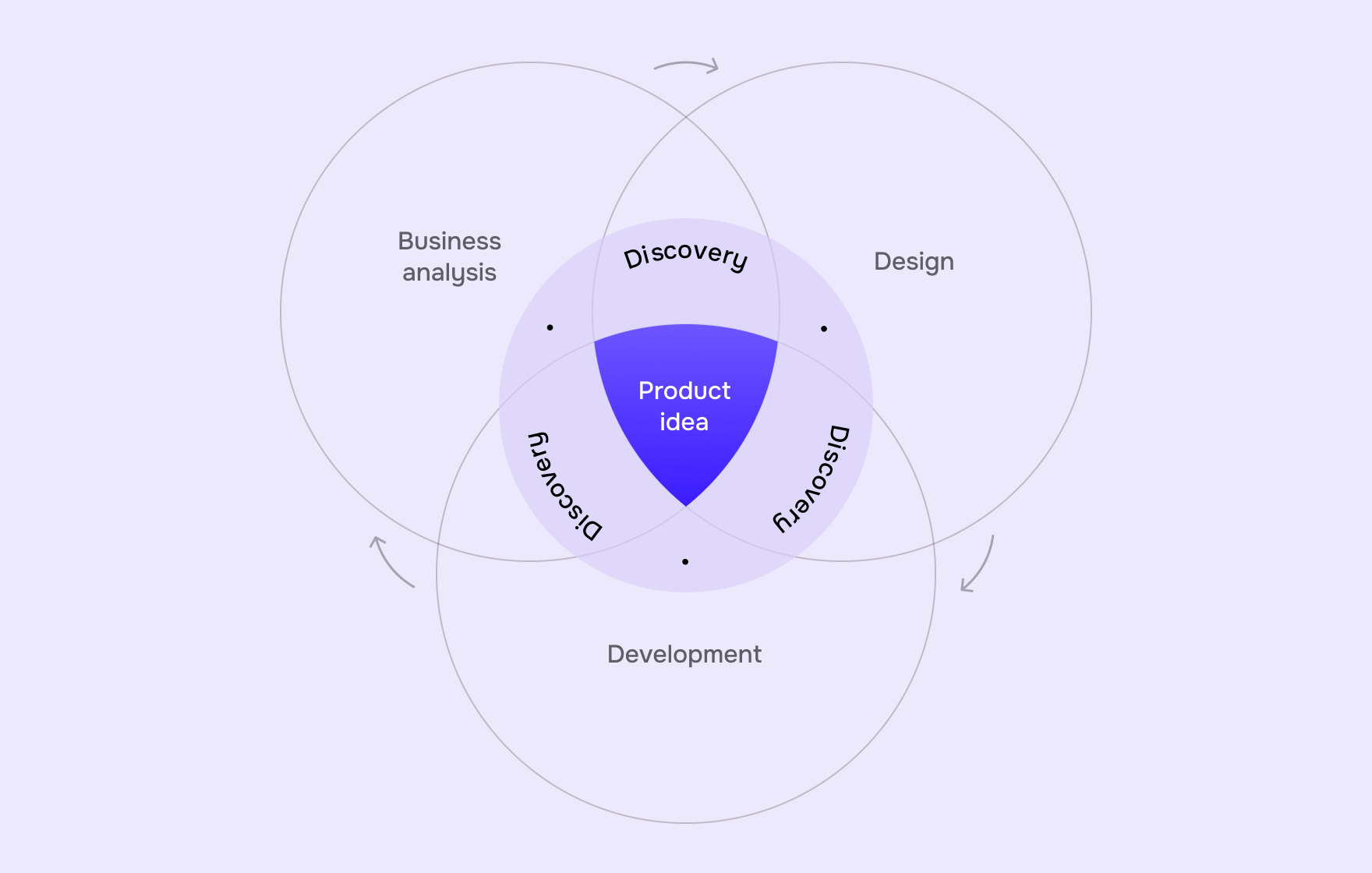
Writing code is rarely what slows a project down. Teams lose time when requirements change halfway through delivery, technical decisions aren't shared, or people discover they solved different versions of the same problem. We put a lot of effort into avoiding those situations before development starts.
Founders usually come to us with a clear product vision. They expect a team that can take ownership of delivery, make technical decisions, and move the product forward without requiring constant supervision. That lets them focus on customers, strategy, and the next stage of the business instead of coordinating day-to-day execution.
A process proves itself when teams spend more time building than coordinating. We look at delivery cycles, the amount of rework, how quickly decisions turn into working software, and how much visibility clients have throughout the project. Those signals tell us far more than the number of meetings or documents a project produces.
An outsourcing vendor usually waits for the next task. Our team works differently. We participate in product discussions, challenge decisions when needed, and take responsibility for delivery after priorities are agreed. That gives founders visibility into the project without turning them into delivery managers.
Got questions or want to discuss a project?

This website uses cookies